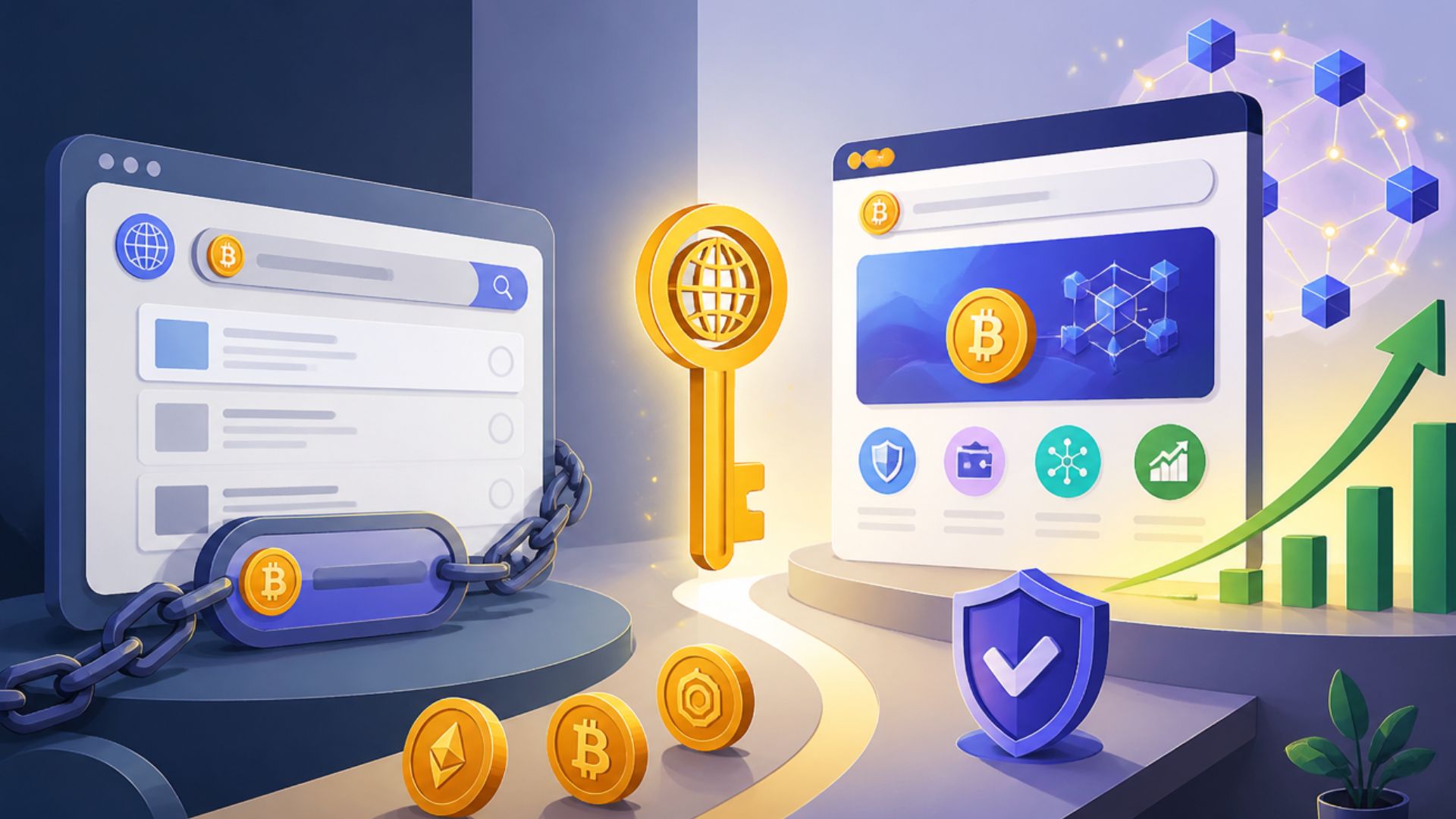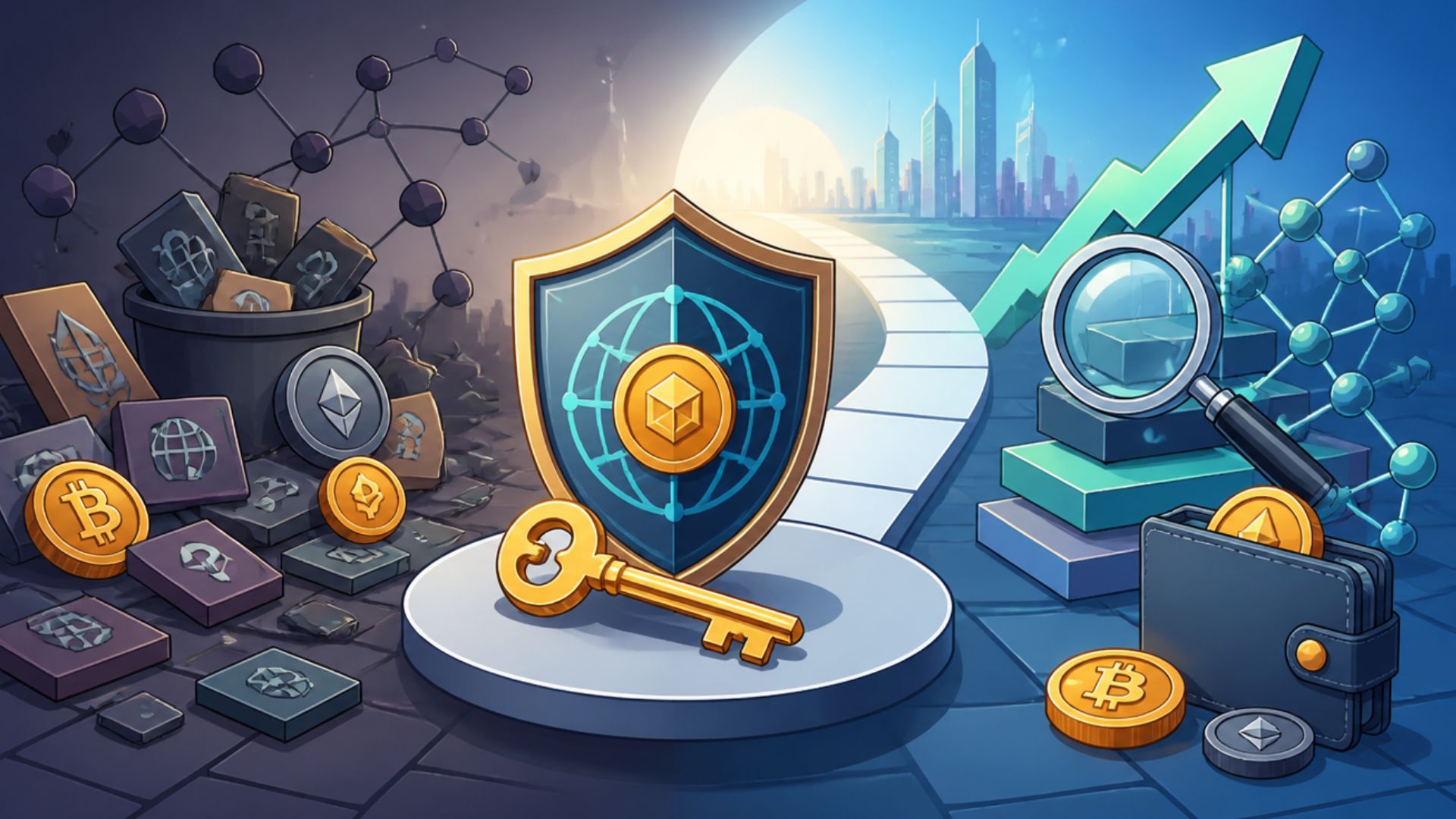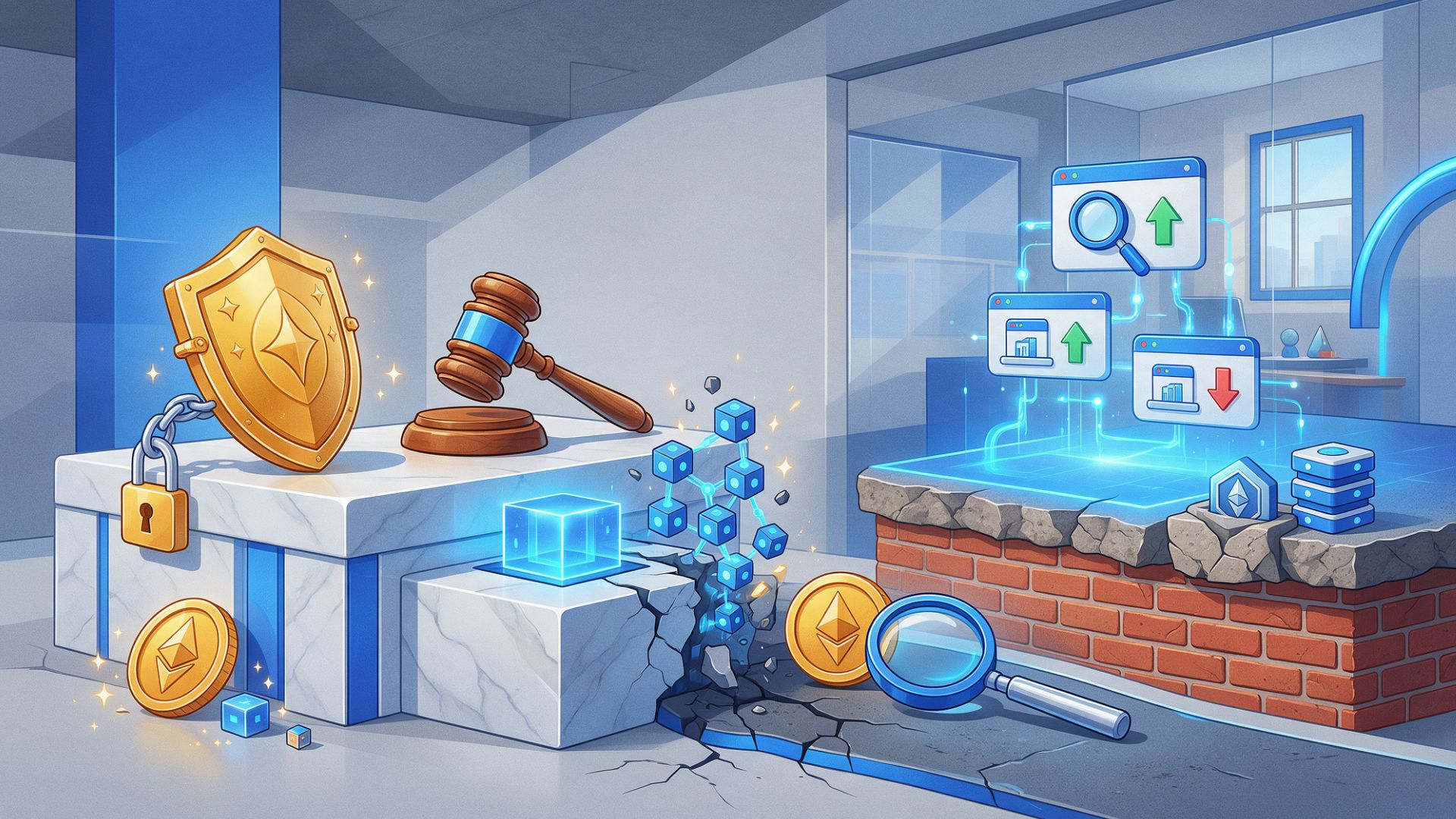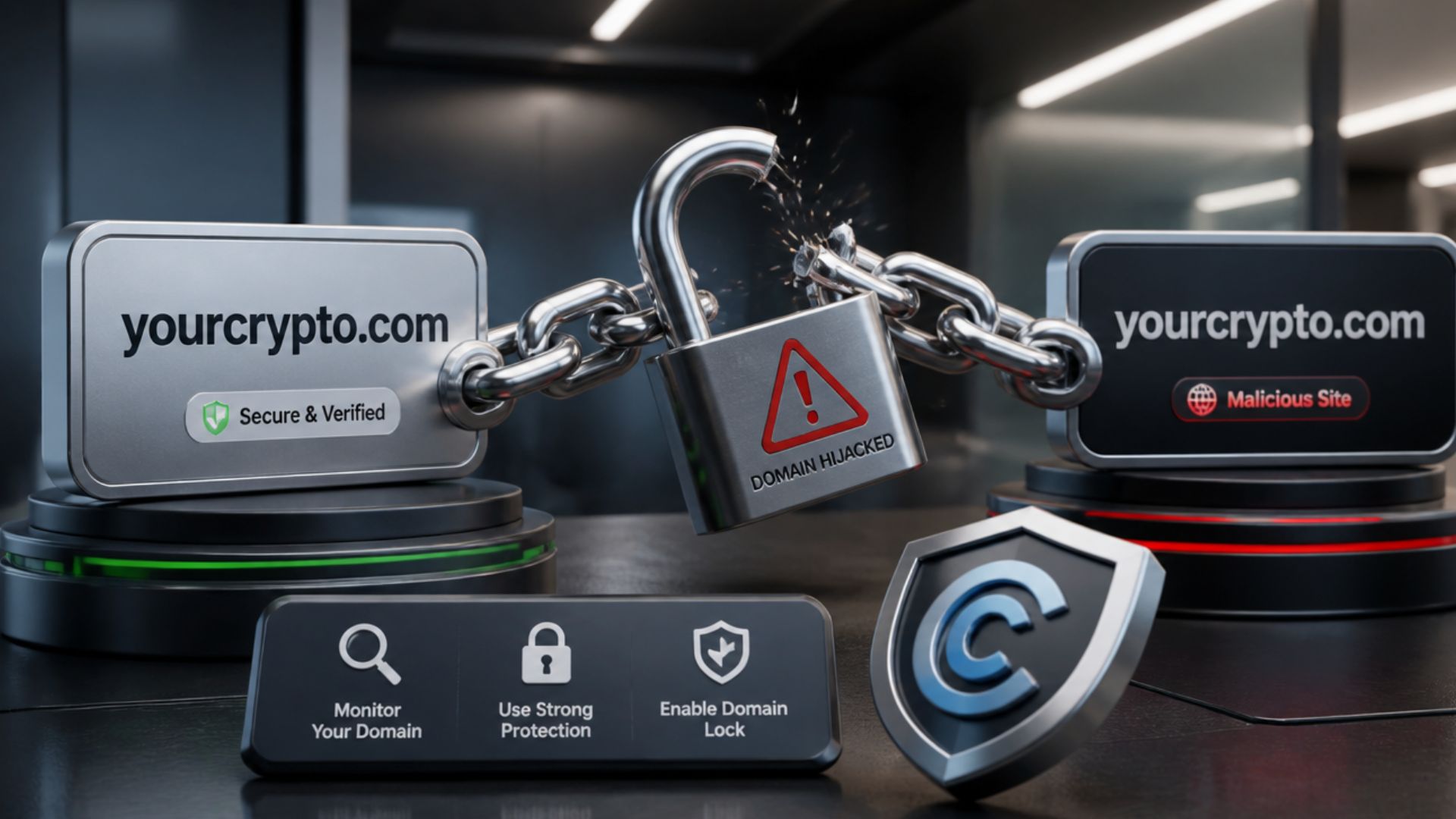

Crypto domains have introduced new opportunities for domain investors looking to profit from emerging digital assets. While the technology behind these domains differs from traditional web domains, the goal remains the same: acquiring valuable domains and selling them for a profit. However, crypto domain flipping also brings unique considerations that can influence how investors evaluate, buy, hold, and sell these assets.
In this guide, we’ll explain how crypto domain flipping works, explore what stays the same, examine what has changed, and help you determine whether it deserves a place in your investment strategy.
Understanding Crypto Domain Flipping
Crypto domain flipping is the practice of buying blockchain-based domain names with the goal of selling them later for a profit. Like traditional domain flipping, success depends on identifying domains with strong resale potential before demand increases. Investors typically look for short, memorable, or highly relevant names that appeal to businesses, creators, or individuals building a presence in the Web3 ecosystem.
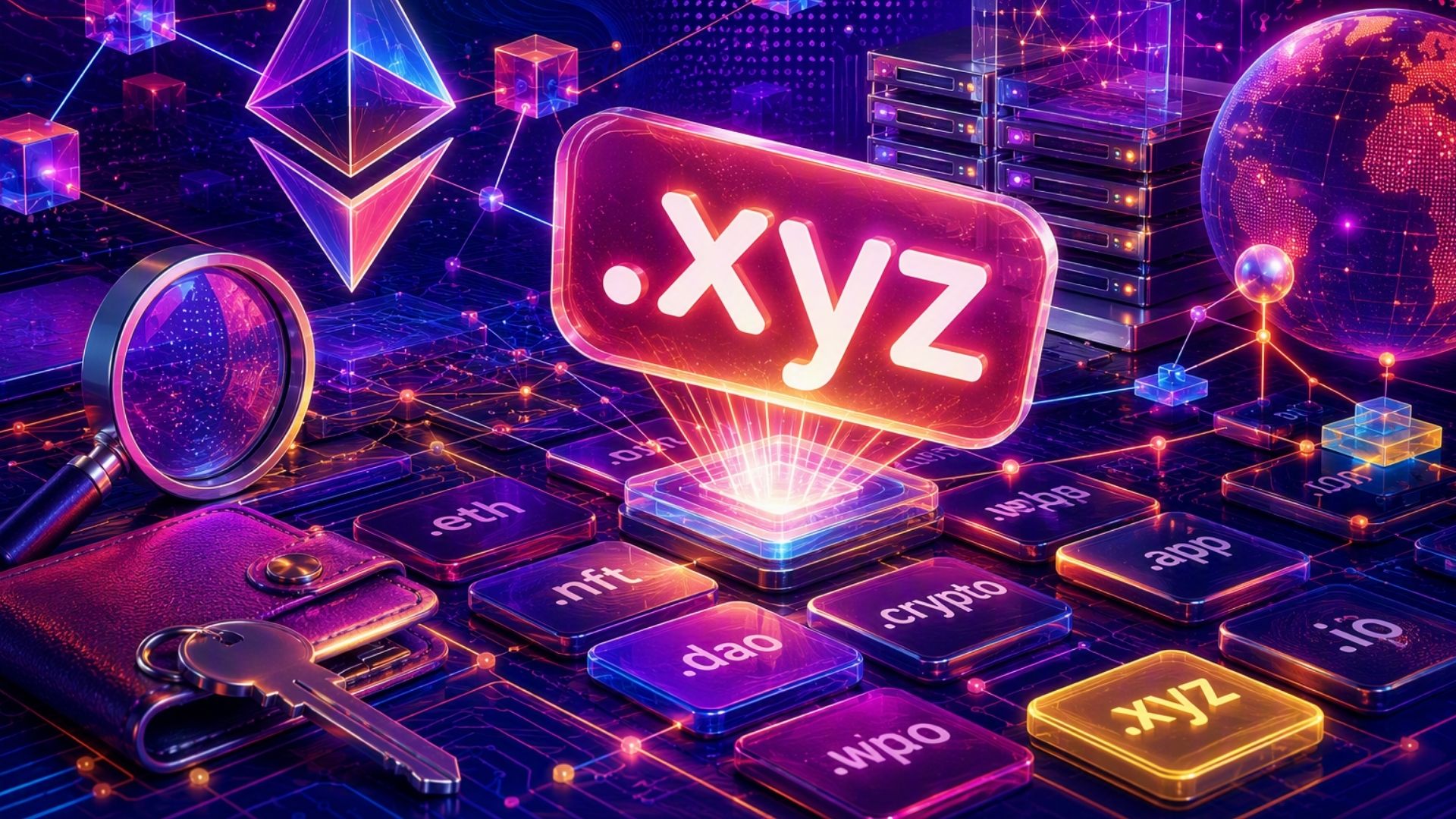
Unlike traditional domains, crypto domains are registered on blockchain networks and often function as digital assets. Depending on the naming service, they can be used as wallet addresses, digital identities, or usernames across supported decentralized applications. These added use cases can influence buyer demand and resale value, making it a distinct segment of domain investing while still following the same core objective of acquiring valuable assets and selling them at a higher price.
What Stays the Same in Crypto Domain Flipping?
The Goal Is Still to Buy Low and Sell High
The primary objective of crypto domain flipping is the same as any other form of domain investing: purchase domains with strong resale potential at a reasonable price and sell them for a profit. Success depends on recognizing opportunities before demand increases rather than relying on market hype alone.
Demand Continues to Drive Value
A domain is only worth what someone is willing to pay for it. Names that align with popular trends, emerging industries, recognizable brands, or desirable keywords are generally more attractive to buyers. Understanding market demand remains one of the most important factors when evaluating a domain’s resale potential.
Strong Names Have the Best Resale Potential
Short, memorable, and easy-to-spell domain names continue to hold the greatest appeal. Those that are easy to recognize, pronounce, and remember are more likely to attract serious buyers than long or overly complex names.
Research Before Buying Is Still Essential
Successful investors rarely purchase domains without evaluating their potential first. Researching naming trends, buyer interest, comparable sales, and trademark risks helps reduce unnecessary speculation and supports more informed investment decisions.
Patience and Timing Still Matter
Not every valuable domain sells immediately. Whether flipping crypto names or other digital assets, investors often need to wait for the right buyer and the right market conditions. A disciplined approach is usually more effective than making quick decisions based on short-term excitement.
What Makes Crypto Domain Flipping Different?

Ownership and Transfer Process
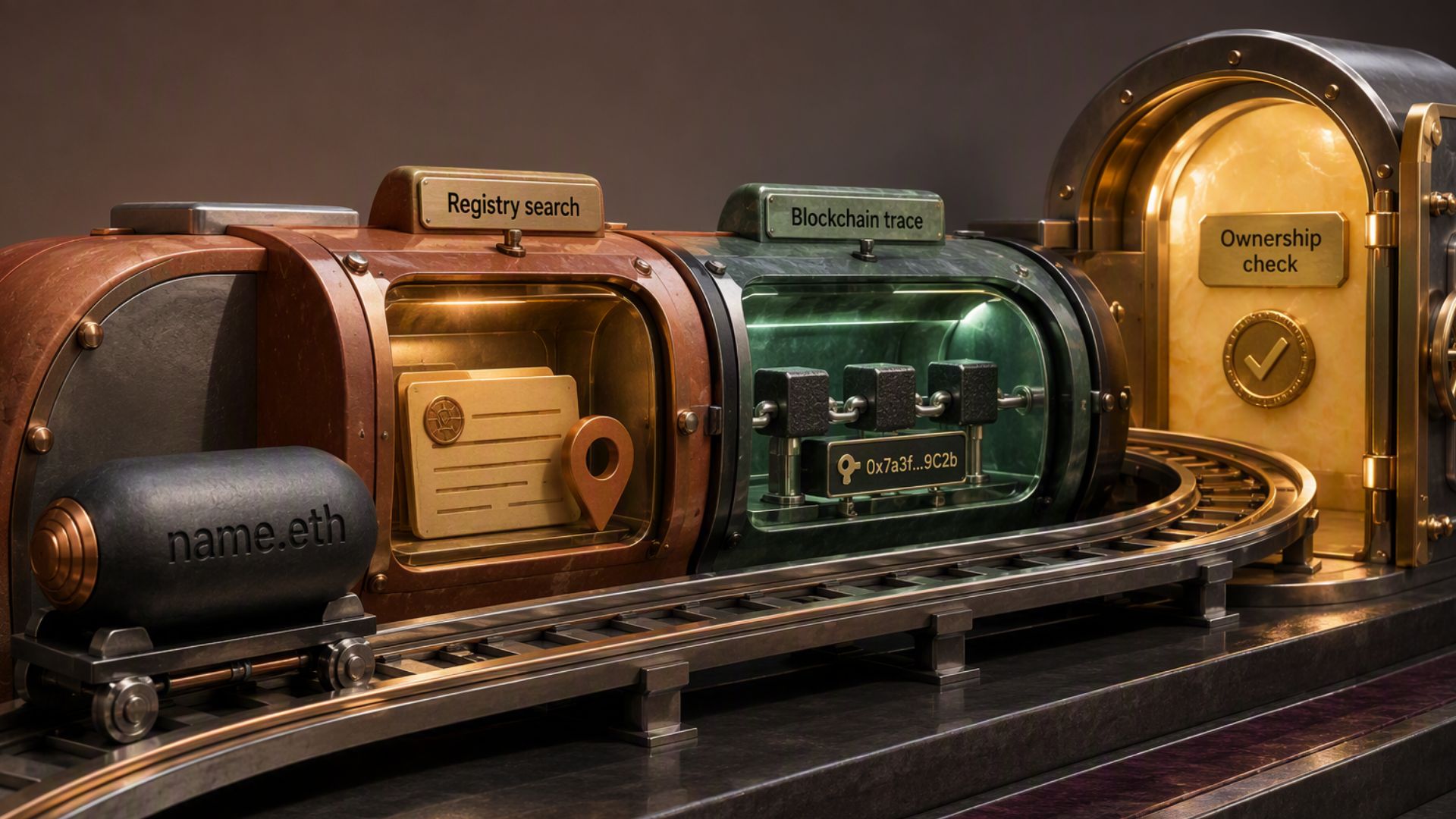
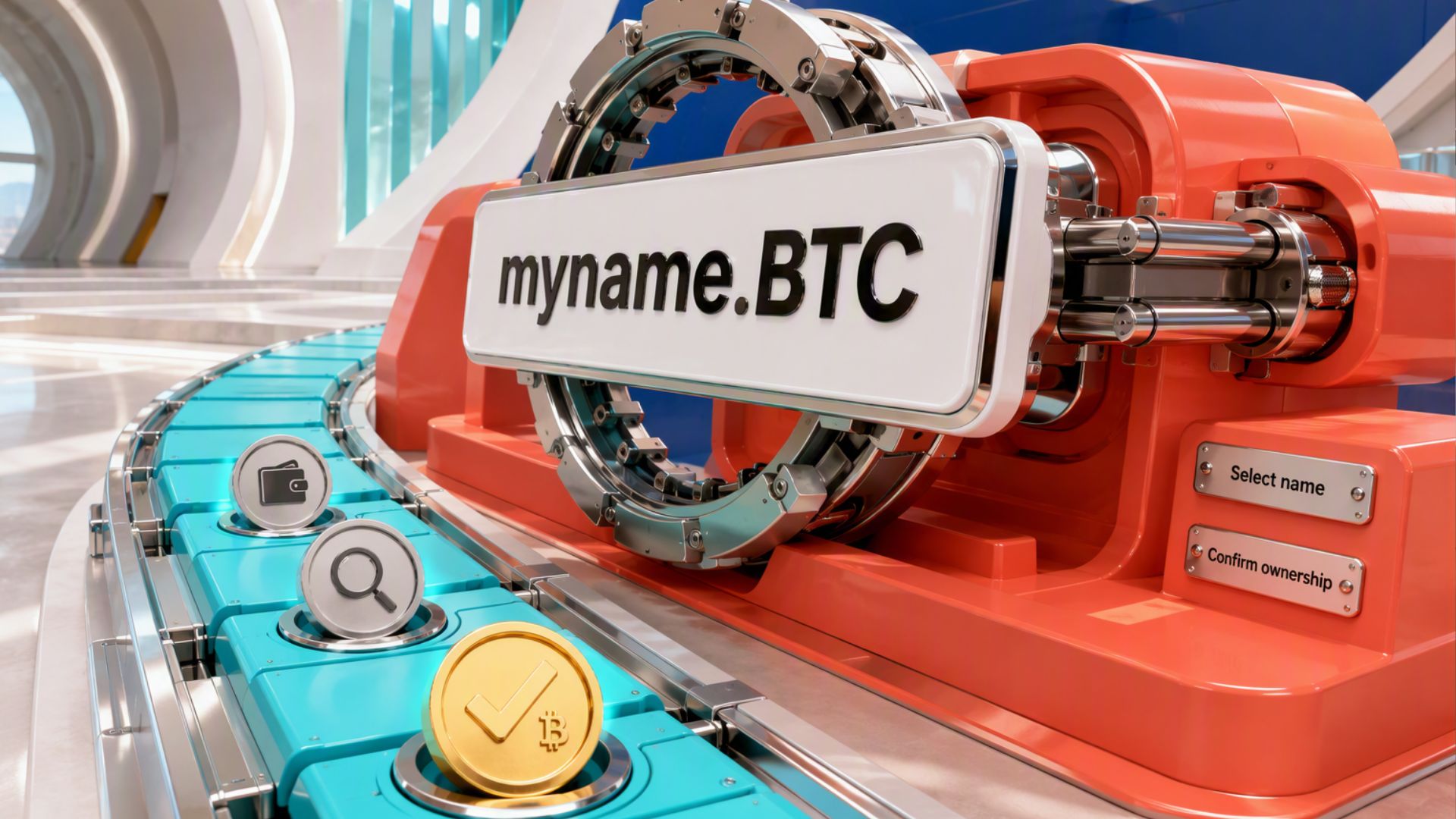
Crypto domains are typically recorded on a blockchain rather than managed solely through a traditional registrar. Ownership is linked to a compatible crypto wallet, allowing holders to control and transfer their domains through blockchain transactions. This gives investors direct control over their assets but also places greater responsibility on securely managing wallet access and private keys, as losing access can make the domain difficult or impossible to recover.
What Creates Value in a Crypto Domain?
Brandability and memorability remain important, but crypto domains can also gain value from their relevance within the Web3 ecosystem. Domains that match blockchain projects, decentralized applications, digital identities, or emerging communities may attract greater buyer interest. As with any investment, demand ultimately determines resale value, so investors should focus on names with practical appeal rather than speculative trends alone.
Buying, Selling, and Holding Crypto Domains
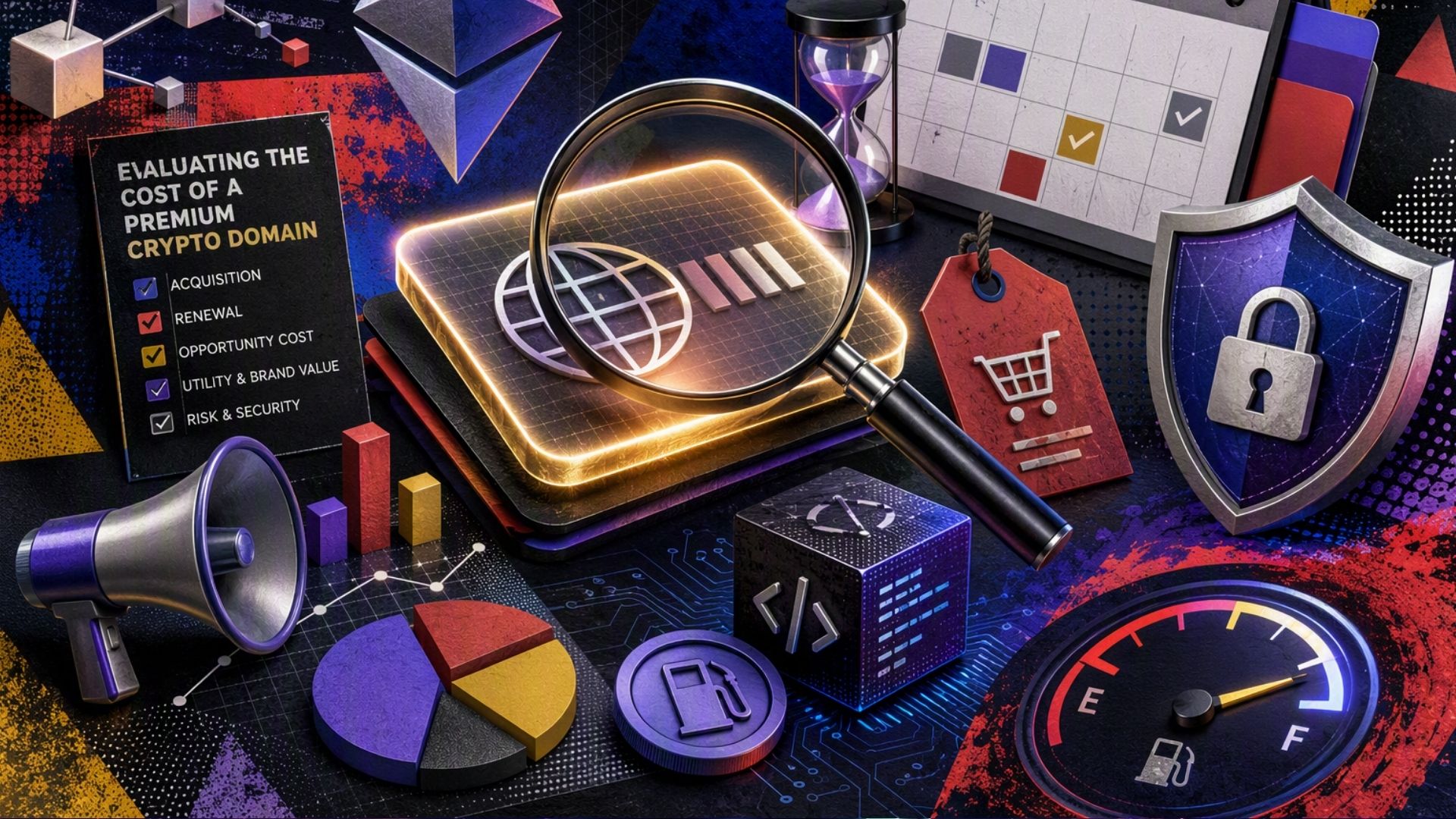
Crypto domains are commonly bought and sold through specialized Web3 marketplaces, where transactions are completed using cryptocurrency. Depending on the naming service, it may require periodic renewals, while others use a one-time registration model. Investors should also account for blockchain transaction fees when buying, transferring, or selling, as these costs can affect overall profitability.
Market Demand and Liquidity
The buyer pool for crypto domains is generally smaller than the broader domain aftermarket because interest is closely tied to Web3 adoption. While premium names can generate strong demand, some may take longer to sell if they target a limited audience or niche. Understanding who the ideal buyers are and what they value is essential when selecting domains to flip.
Risks and Price Volatility
Crypto domain values can fluctuate alongside changes in blockchain adoption, market sentiment, and industry trends. New naming services, shifts in consumer interest, and speculative buying can all influence resale opportunities. Investors should also be mindful of trademark considerations, as registering domains that infringe on established brands may lead to legal disputes regardless of whether it exists on a blockchain or through a traditional registry.
When Does Crypto Domain Flipping Make Sense?
Crypto domain flipping may be a worthwhile strategy under the right circumstances, but it is not the best fit for every investor. It generally makes the most sense when:
- You understand the Web3 ecosystem. Familiarity with blockchain projects, decentralized applications, and emerging naming trends can help you identify domains with stronger resale potential.
- You’re comfortable with higher investment risk. Crypto domain prices can fluctuate more than traditional digital assets, so investors should be prepared for changing market conditions and longer holding periods.
- You have a long-term investment mindset. While some may sell quickly, many require patience before the right buyer comes along. Holding valuable domains for future demand is often part of a successful flipping strategy.
- You focus on quality over quantity. Building a portfolio of well-researched, brandable, and relevant crypto domains is generally more effective than registering large numbers of speculative names.
- You want to diversify your domain investment portfolio. Crypto domains can complement traditional domain investments by providing exposure to a growing segment of the digital asset market without replacing other proven investment strategies.
Conclusion
Crypto domain flipping builds on many of the same principles that have long guided successful domain investing, but it also introduces new opportunities and challenges shaped by blockchain technology and the evolving Web3 ecosystem. Understanding what stays the same and what has changed can help investors make better decisions, manage risk more effectively, and identify domains with genuine resale potential. Whether you’re expanding an existing portfolio or exploring a new investment niche, success ultimately depends on thorough research, realistic expectations, and focusing on domains that offer lasting value rather than short-term speculation.