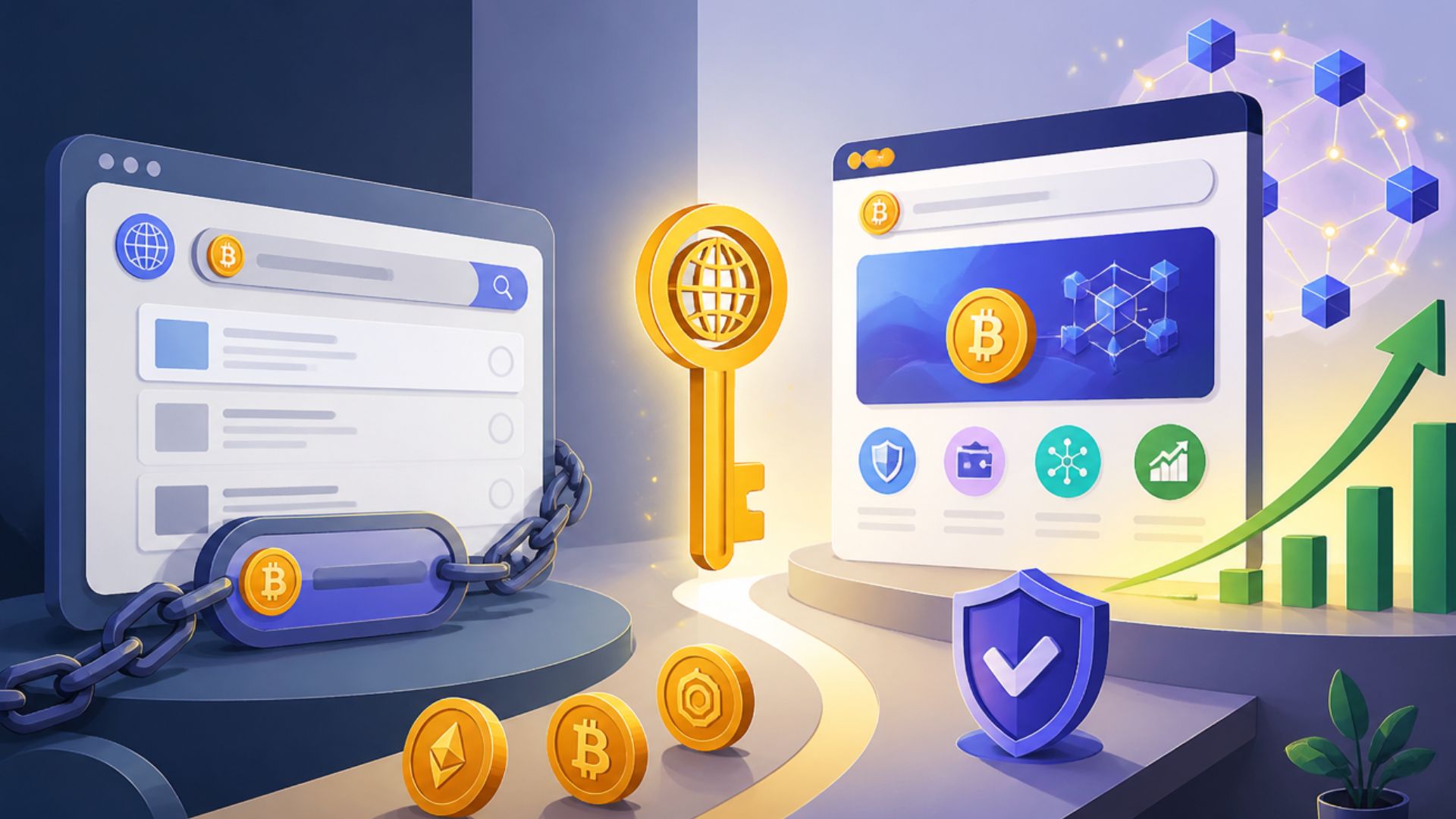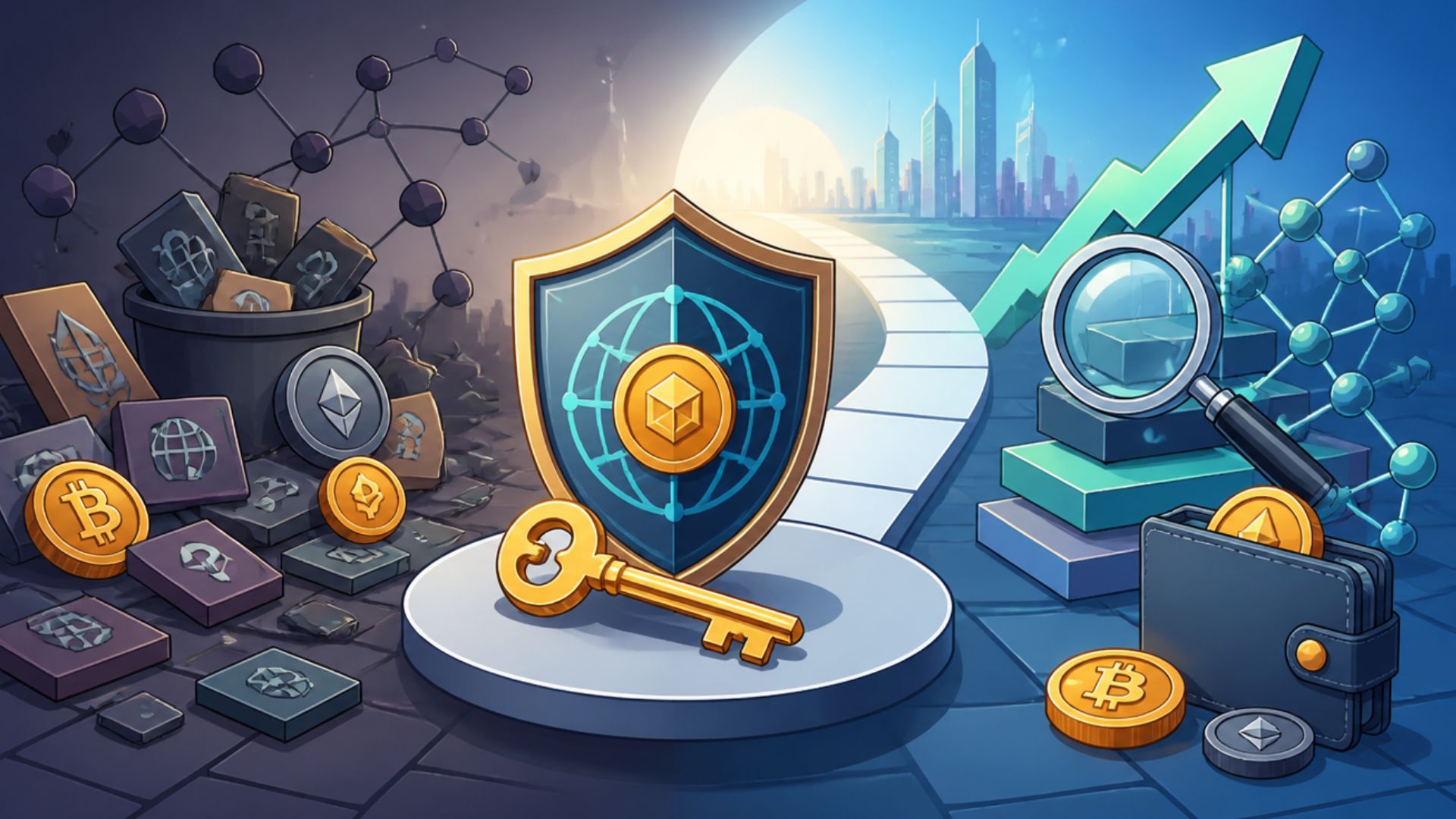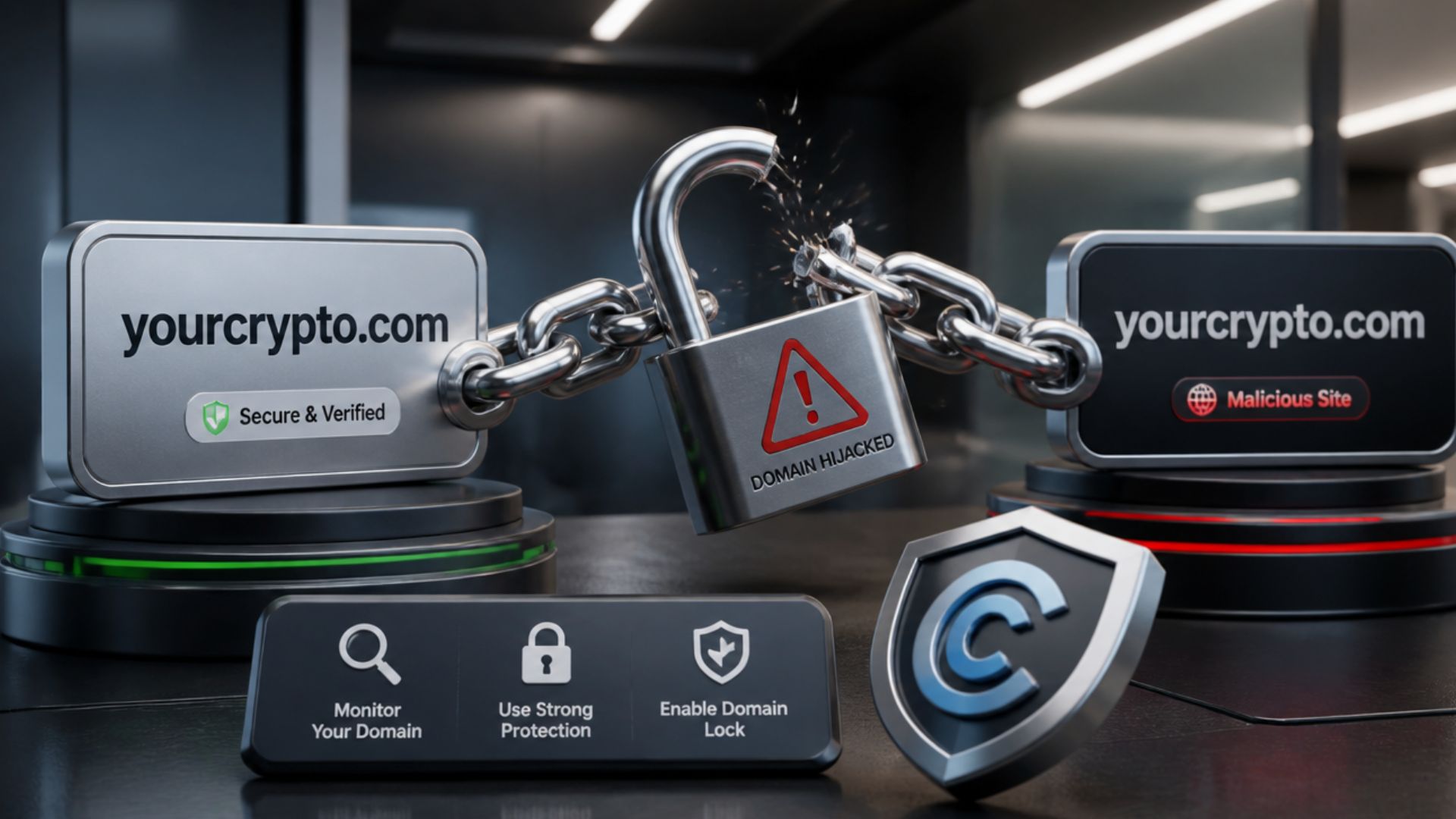
The traditional domain name system relies on three key roles: the registry, registrar, and registrant. Together, they define how domain names are managed, registered, and owned across the internet. As crypto domains gain traction, however, these familiar roles are evolving. Blockchain-based naming systems introduce decentralized ownership models, smart contracts, and protocol-level governance that change how domains are issued and controlled.
This guide explains the roles of the registry, registrar, and registrant in the traditional domain ecosystem and explores how those responsibilities change in the world of crypto domains.
Understanding the Traditional Domain Model
Before exploring how crypto domains change the rules, it’s important to understand how domain registration works today. The traditional domain name system (DNS) follows a structured model with three distinct roles: the registry, registrar, and registrant. Each has specific responsibilities that keep domain registration organized, secure, and reliable.
Registry
A registry is the organization responsible for operating and maintaining a top-level domain (TLD), such as .com, .org, or .net. It manages the central database of all registered domain names under its assigned TLD, ensures each domain name is unique, and maintains the technical infrastructure that keeps the domain extension functioning.
Registries do not sell domain names directly to the public. Instead, they work with accredited registrars that provide registration services to individuals and businesses.
Registrar
A registrar is a company authorized to register domain names on behalf of users. Acting as the link between the registry and the registrant, registrars provide domain search, registration, renewal, transfer, and management services through user-friendly platforms.
When someone registers a domain name, the registrar submits the registration information to the appropriate registry and manages the domain throughout its registration period.
Registrant
A registrant is the individual, business, or organization that registers and holds the rights to use a domain name. While the registrant does not permanently own the domain, they have the exclusive right to use and manage it for as long as the registration remains active and complies with the registry’s policies.
Registrants are responsible for renewing their domains, maintaining accurate registration information where required, and managing settings such as DNS records through their chosen registrar.
How They Work Together
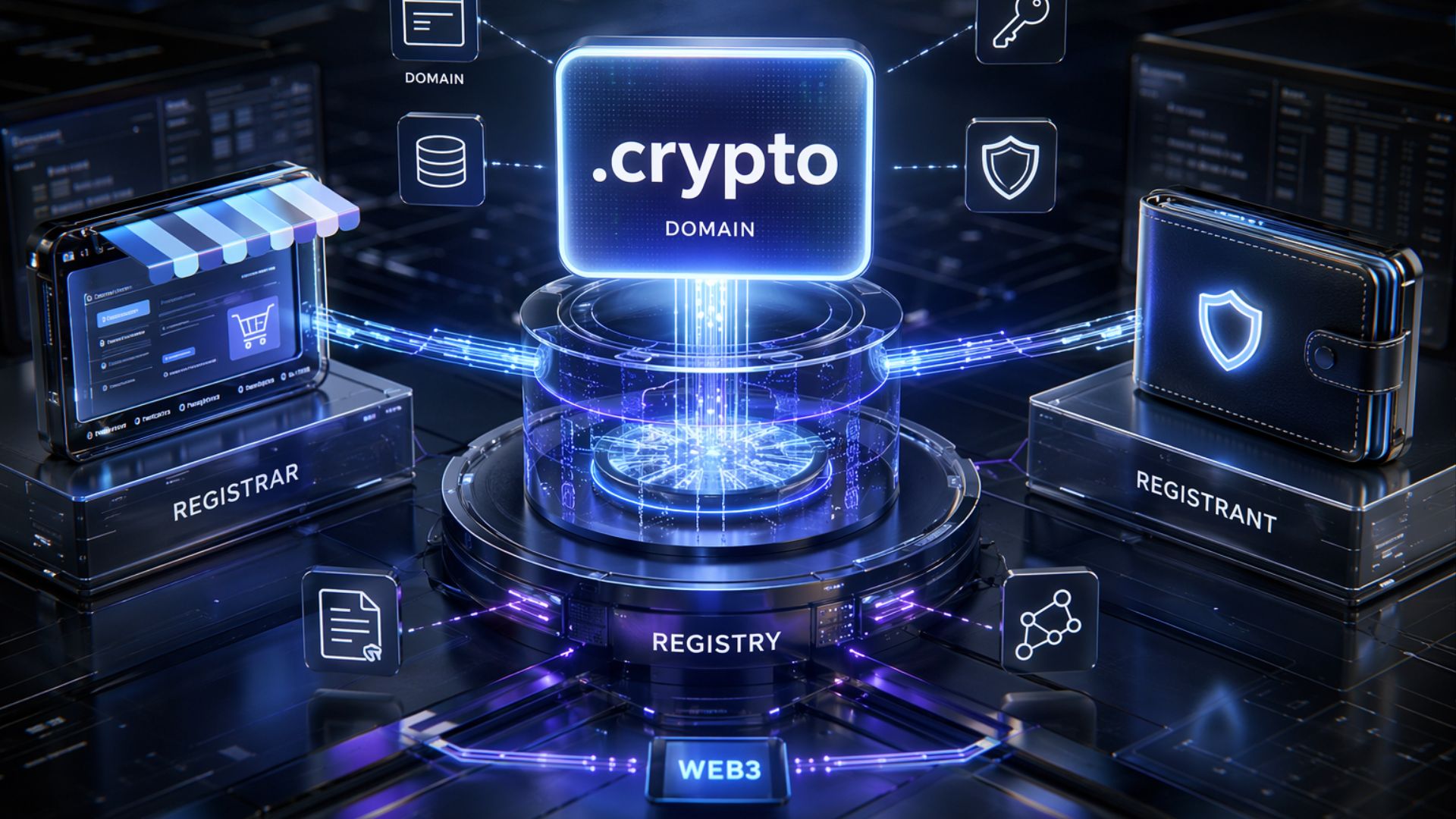
The domain registration process follows a straightforward chain of responsibility. The registry manages the domain extension, the registrar facilitates domain registration and management, and the registrant registers and uses the domain. This centralized model has governed the traditional internet for decades, providing a standardized framework for managing domain names worldwide.
Why Crypto Domains Challenge the Traditional Model
The traditional domain name system (DNS) relies on a centralized model. Registries manage top-level domains, registrars handle domain registrations, and registrants rely on these organizations to register and maintain their domain names in accordance with established policies.
Crypto domains follow a different model. Instead of centralized databases, they use blockchain networks and smart contracts to manage registration and record ownership. Depending on the naming protocol, control is tied to a user’s blockchain wallet rather than an account managed by a registrar.
This shift from centralized infrastructure to blockchain-based protocols changes how domain names are registered, managed, and controlled. As a result, the traditional roles of the registry, registrar, and registrant evolve to support a decentralized naming system.
How Registry, Registrar, and Registrant Change in Web3
The move from centralized infrastructure to blockchain-based naming systems changes how the traditional domain model operates. While the roles of the registry, registrar, and registrant still exist in many crypto ecosystems, their responsibilities are carried out differently. Instead of relying on centralized databases and intermediaries, many blockchain naming systems use smart contracts and protocol-defined rules to manage domain registration and ownership.
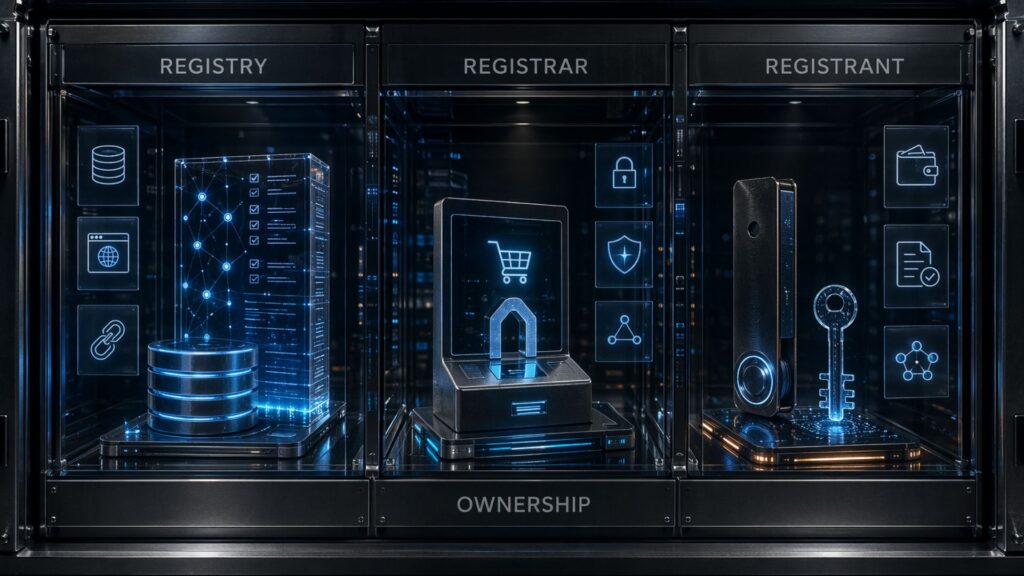
| Role | Traditional Domains | Crypto Domains |
| Registry | Operates the top-level domain (TLD) and maintains the authoritative database of registered domains. | Typically implemented through blockchain protocols and smart contracts that define registration rules and record ownership. |
| Registrar | An accredited company that registers domains and manages renewals, transfers, and customer accounts. | Often serves as a registration interface or marketplace, while smart contracts execute registration and ownership changes. Some protocols also support direct interaction with smart contracts. |
| Registrant | Holds the right to use a domain for the registration period, subject to registry policies. | Controls the domain via a blockchain wallet, with ownership and permissions recorded on the blockchain per the protocol’s rules. |
How the Registry Role Changes
In traditional DNS, a registry manages the authoritative database for a top-level domain. In many crypto domain systems, that role is implemented through smart contracts that define registration rules and maintain ownership records on the blockchain. Depending on the protocol, governance may be managed by a foundation, a decentralized autonomous organization (DAO), or another governance model.
How the Registrar Role Changes
The registrar’s role becomes less centralized in Web3. Many crypto domain providers offer registration platforms similar to traditional registrars, but these platforms primarily act as interfaces for interacting with smart contracts rather than maintaining ownership records. Some protocols also allow users to register and manage domains directly through the blockchain, reducing the need for a traditional intermediary.
How the Registrant Role Changes
The registrant becomes the wallet-controlled owner of the domain. Instead of managing the domain through a registrar account, control is tied to the blockchain wallet that holds the domain. This gives users greater control over their digital assets but also makes protecting private keys essential, as access to the wallet determines control of the domain.
What These Changes Mean for Domain Owners
The shift from traditional domain registration to blockchain-based naming systems gives users more control over their domains, but it also changes how they manage and protect them. Before registering or buying a crypto domain, consider the following:
- Control is tied to your blockchain wallet. Instead of managing your domain through a registrar account, ownership is linked to the wallet that holds the domain. Access to the wallet determines who can manage or transfer the domain.
- Securing your wallet is your responsibility. Unlike traditional domain accounts, blockchain wallets generally cannot be recovered by a registrar or service provider. Losing your private keys or recovery phrase may result in permanent loss of access to your domain.
- Renewal requirements vary by protocol. Not all crypto domains follow the same registration model. For example, ENS names require periodic renewal, while other blockchain naming systems may use different ownership or renewal policies.
- Compatibility depends on the services you use. Crypto domains are commonly used for wallet addresses, decentralized applications (dApps), and Web3 identity. However, support for websites, email, browsers, and other internet services varies by protocol and platform.
- Traditional and crypto domains serve different purposes. Traditional DNS domains remain the standard for websites and email, while crypto domains are designed primarily for blockchain-based applications. Depending on your needs, using both can provide the best balance between Web2 and Web3 functionality.
Conclusion
As blockchain technology continues to shape the future of digital identity, understanding how domain ownership is evolving becomes increasingly important. While the roles of the registry, registrar, and registrant remain relevant, their responsibilities are no longer defined solely by the traditional DNS model. Whether you’re registering a domain for a website, managing digital assets, or exploring Web3 applications, understanding these differences will help you choose the right domain solution and manage it with greater confidence.