
A crypto business can change significantly in five years. A project may expand to new blockchains, add different products, or move into a broader digital asset market. A name that fits perfectly today can become a limitation if it is tied too closely to one trend, token, or technology. Choosing a crypto domain name, therefore, requires more than finding an available and catchy option. The right choice should support the brand today while leaving room for growth tomorrow.
This guide explains what to consider when choosing a name that can remain relevant, usable, and valuable over the next five years.
What Makes a Crypto Domain Name Future-Proof?
A future-proof crypto domain name should support the business beyond its current product, technology, or market position. It should be broad enough to accommodate growth without becoming so vague that people cannot understand what the company does.
Before choosing a name, consider whether it is:
- Relevant: It fits the business without relying on a temporary crypto trend.
- Flexible: It can accommodate new products, services, or blockchain networks.
- Memorable: People can recognize and recall it after seeing or hearing it once.
- Easy to use: It is simple to pronounce, spell, type, and share.
- Distinctive: It can stand apart from existing companies, projects, and trademarks.
- Practical: The extension and naming structure make sense for the intended audience and business model.
The goal is not to predict exactly where the crypto industry will be five years from now. It is to choose a name that will not become a problem if the business changes along the way.
Start With Where the Business Could Be in Five Years
Before choosing a name, look beyond the product you plan to launch today. A crypto business may begin with one service, blockchain, or type of digital asset and expand as customer needs change. If you build the name around that starting point, growth can make it feel increasingly restrictive.
Think about the direction the business could realistically take. Could it support multiple networks? Add new services? Move into a broader digital asset or financial technology market? If so, choose a name that can cover those possibilities without needing a rebrand. The goal is not to predict the future. It is to avoid making today’s business model part of the brand’s permanent identity.
Choose a Name That Is Broad Enough to Grow
A name can be relevant to crypto without tying the business to one specific part of the industry. This matters when a project later supports multiple networks, adds new services, or serves a wider market.
Be cautious with names built around a single cryptocurrency, blockchain, protocol, or short-lived trend unless that focus is central to the long-term business. A name that makes sense only while a particular technology is popular can force the company to explain the disconnect later.
A broader name gives the brand more room to evolve. Instead of describing exactly what the business does today, it can communicate an identity that still fits as the products and services expand.
Prioritize Brandability Over Crypto Keywords
A crypto keyword can make a name immediately recognizable, but it should not be the main reason you choose it. Google says keywords in a domain name have little ranking impact on their own, so adding terms such as “crypto” or “blockchain” is not an SEO shortcut.
Instead, focus on whether the name can become a strong brand. It should be distinctive, easy to remember, and clear enough for people to recognize after seeing it once. Avoid combinations that look stuffed with keywords or are difficult to pronounce and spell.
A useful test is to say the name aloud and ask someone to write it down. If they consistently get it wrong, the problem is not just usability. It can affect referrals, branded searches, email addresses, and how easily people find the business later.
Make Sure the Name Is Easy to Use Everywhere
A name that looks good on a registration page still needs to work in everyday business situations. Customers may hear it in conversation, see it in an advertisement, type it into a browser, or use it when searching for the company online.
Test your shortlist in practical situations:
- Say it aloud: Can someone understand it without asking you to repeat it?
- Spell it: Is the spelling obvious when they hear it?
- Type it: Could a customer enter it correctly without extra instructions?
- Share it: Does it look clear in an email address, social profile, or marketing material?
- Remember it: Can someone recall it after seeing or hearing it once?
These small tests can expose problems that are easy to miss when choosing a name on paper. If people regularly misspell or misremember it, building recognition around it will take more effort over time.

Choose the Right Domain Extension for the Business
The extension is part of the brand, so choose it based on how the business plans to operate rather than how closely it sounds to crypto. A .com can be a practical choice for a company that wants broad commercial appeal, while .io may fit a technology-focused business. Other extensions can also work when they support a clear branding strategy.
The key point is that the extension itself doesn’t give a website an automatic SEO advantage. Google treats generic top-level domains broadly the same for ranking purposes, so don’t choose .crypto, .io, or another option expecting better rankings.
Consider how the extension will look on business cards, email addresses, advertisements, and social profiles. If the company grows beyond its original crypto focus, the extension should still feel credible and appropriate.
Know the Difference Between a Traditional Domain and a Web3 Domain
Not every crypto-related domain works the same way. A traditional domain, such as a .com or .io, uses the conventional Domain Name System (DNS) and supports websites, email, and other familiar internet services.
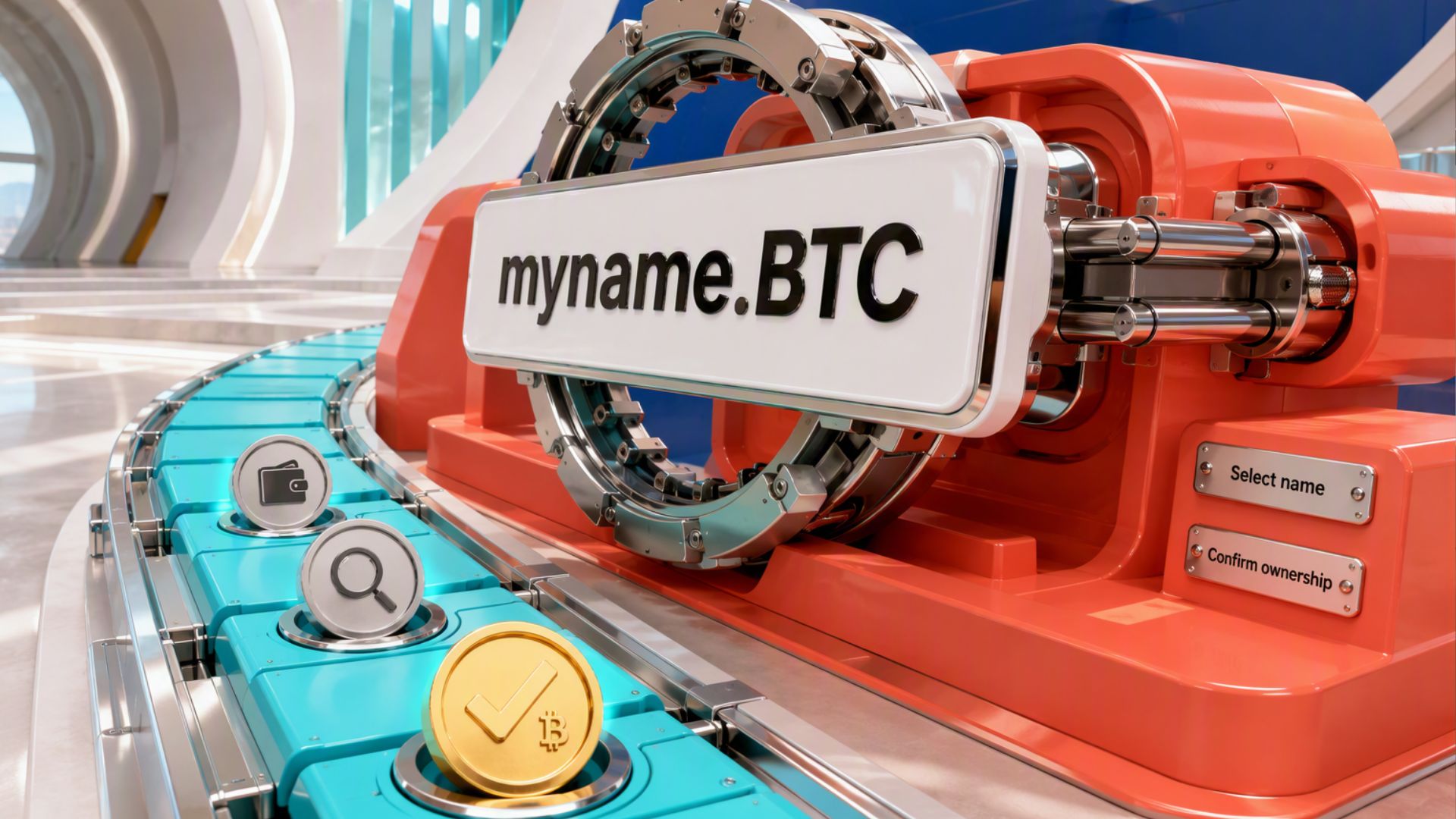
Web3 domains, such as .eth or .crypto, can serve additional purposes within supported blockchain ecosystems. For example, a Web3 name can serve as a human-readable identifier for cryptocurrency payments or decentralised applications.
This distinction matters when choosing a long-term name. If the primary goal is to operate a conventional business website, a traditional DNS domain may be the more practical foundation. A Web3 name can complement that identity when its blockchain-specific functions serve the business and its audience.
Check the Name Before You Register It
An available name is not automatically a safe name to build a business around. Before registering it, check whether another company, crypto project, or trademark already uses the same or a confusingly similar name.
Start with a basic search:
- Search the exact name on Google and major search platforms.
- Check trademark databases in the markets where you plan to operate.
- Look for existing crypto projects, protocols, and businesses using the name.
- Check matching or similar social media handles.
- Look for names that could easily be confused with an established brand.
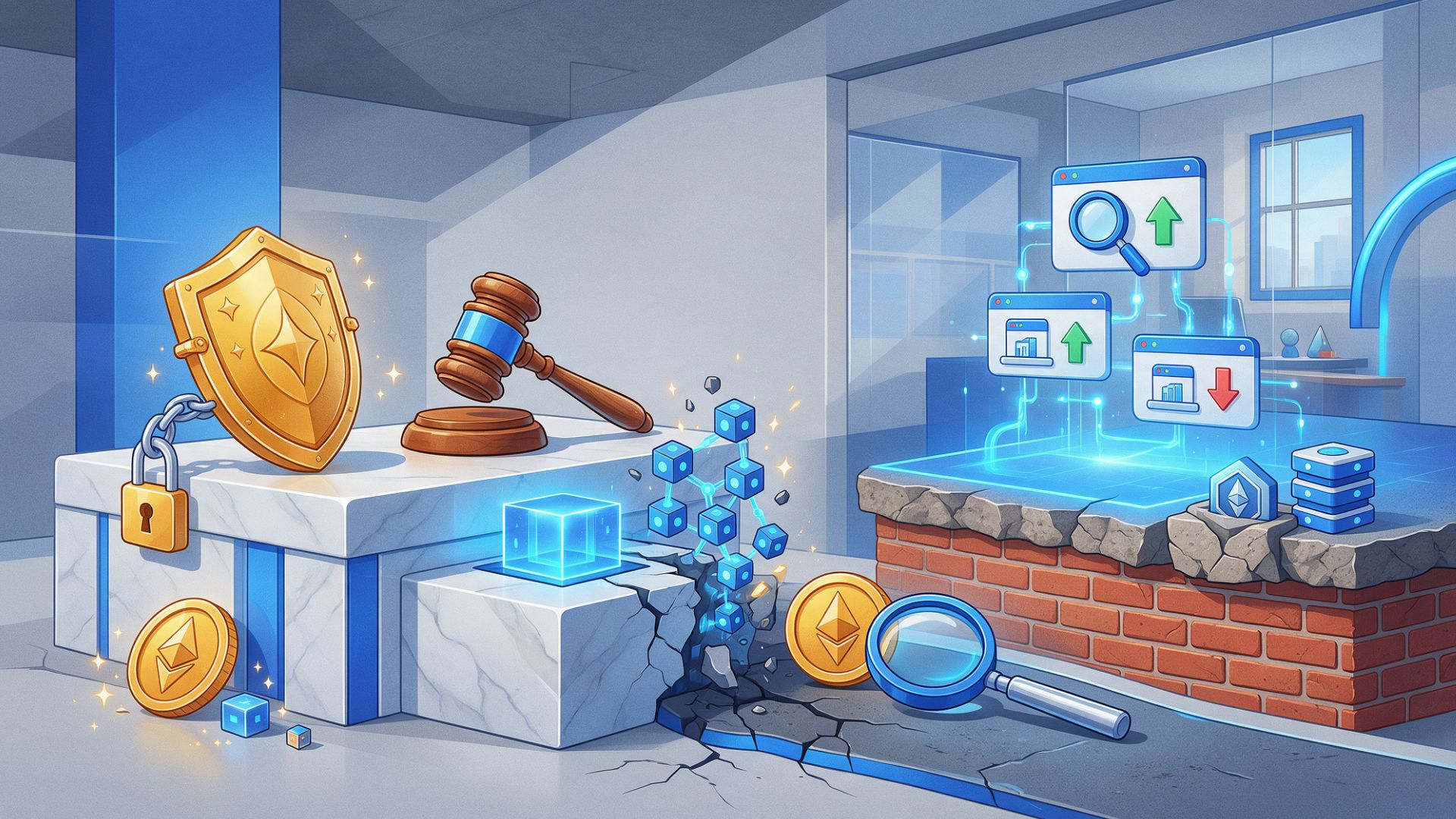
Do this check before spending money on branding, content, and promotion. Domain registration does not by itself give you unrestricted rights to use a name as a trademark, and disputes can arise when names are confusingly similar. WIPO provides a dispute-resolution framework for certain domain-name conflicts, including cases involving abusive registrations.
Investigate the Domain’s History Before Buying an Existing One
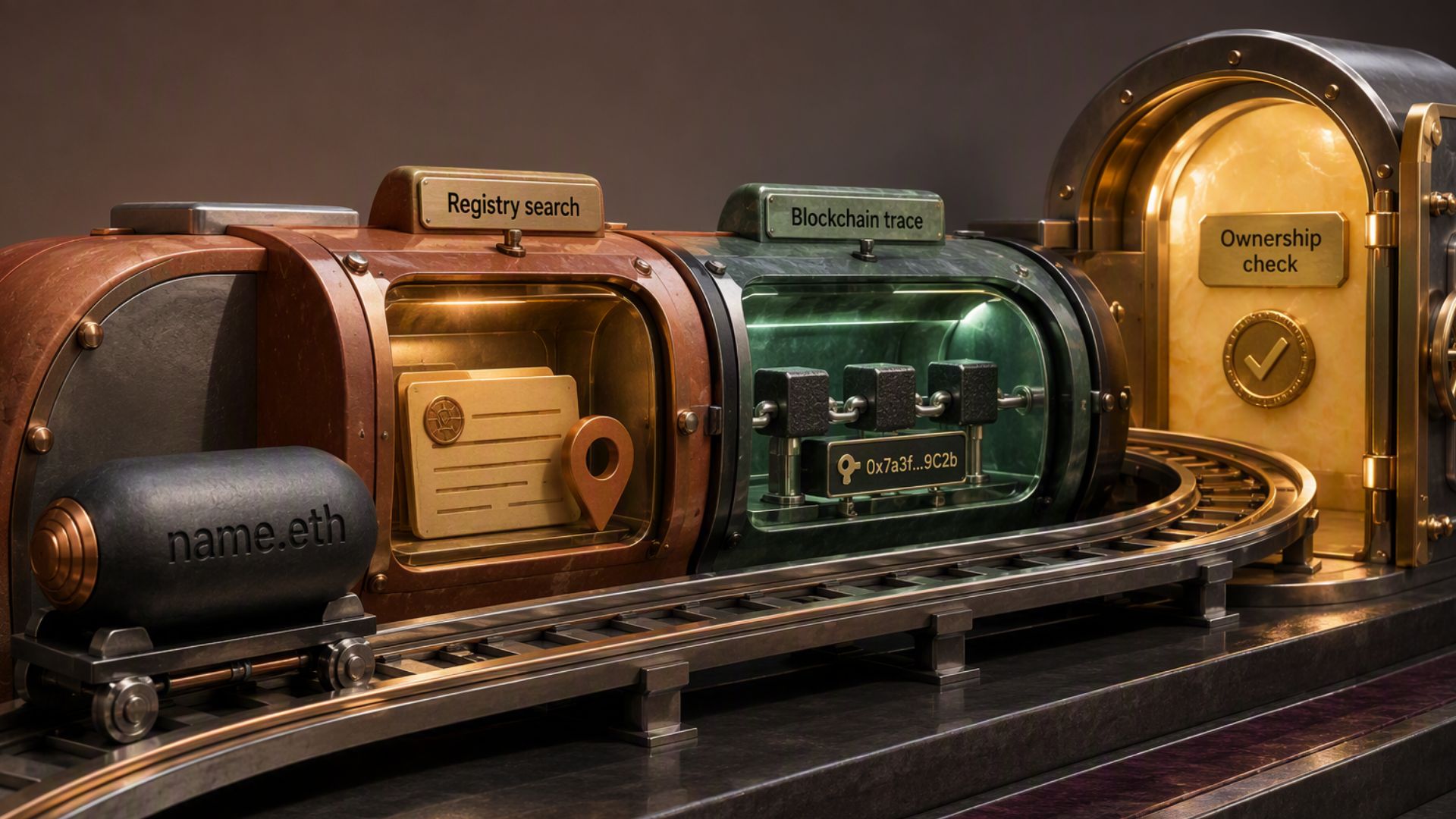
If you are buying an already registered name, don’t judge it by age, price, or appearance alone. Its previous use can affect how suitable it is for a new crypto business. A name that once hosted unrelated content, spam, or a failed project may carry baggage that’s hard to spot in the registration record.
Check the site’s previous versions, backlink profile, and any notable associations with the name. For crypto-related properties, also look for evidence that it was previously connected to a project, token, exchange, or other service that could affect its reputation.
The goal is to understand what you are inheriting before building on it. A clean history gives you a better starting point; a questionable one may make an apparently attractive name more trouble than it is worth.
Put Your Shortlist Through the Five-Year Test
Before settling on a name, test it against changes that could realistically happen to the business. The goal is not to predict where crypto will be in five years. It is to see whether the name can handle reasonable changes without forcing a rebrand.
Ask yourself:
- What if the business supports several blockchains instead of one?
- What if the company adds products or services outside its original offering?
- What if the technology or terminology behind the name falls out of use?
- What if the business expands into a broader digital asset or fintech market?
- What if a new product becomes more important than the one the company launches with?
- Would customers still understand and trust the name if any of these changes happened?
If a name still makes sense across several of these scenarios, it has a better chance of staying useful as the business evolves. That flexibility is more valuable than choosing a name that perfectly matches a trend that may not last.
Conclusion
Choosing a crypto domain name for the next five years means thinking beyond what fits the business today. The strongest choice can survive changes in products, blockchain networks, technology, and market trends without making the brand feel outdated.
Prioritize a name that is memorable, easy to use, broad enough to grow, and clear of obvious trademark or reputation issues. The goal is not to predict the future of crypto. It is to choose a brand flexible enough to adapt when that future arrives.