
Finding the right crypto name can be frustrating when someone else already owns it, especially if the registration is close to expiring. Waiting for it to become available can also mean competing with other buyers or missing the opportunity entirely. A crypto domain backorder can help you prepare before the name is released. However, the process is not always straightforward, and whether you can backorder a name depends on the name’s type and when it is scheduled to become available. Understanding the process can help you choose the right approach and improve your chances of securing the name you want.
What Is a Crypto Domain Backorder?
A crypto domain backorder is a way to pursue a name that is currently registered but may become available later. Instead of waiting for it to drop and hoping you see it first, you place a request with a backorder service to try to secure it when it becomes eligible for registration.
However, a backorder does not reserve the name or guarantee that you will get it. The current owner may renew it; it could be sold through an expired-name auction, or another service may successfully catch it first. Think of it as putting yourself in position to compete for the name rather than claiming ownership in advance.
This process can be useful when a name is important to a crypto project or Web3 identity, but the next step is determining whether that particular name can actually be backordered.
Can You Backorder Any Crypto or Web3 Name?
Not always. Whether you can place a backorder depends on the type of name and the rules that govern its availability.
Traditional web addresses used by crypto and Web3 projects can follow the usual expiration process. If the owner does not renew, the name may enter an expired-name auction or eventually reach a stage where a backorder service can attempt to catch it.
Blockchain-native names can work differently. For example, ENS names follow their own expiration and release process rather than the traditional pending-delete model used for many DNS domains. In these cases, monitoring the release timeline may be more useful than placing a standard backorder.
Before taking action, check how the specific name is managed and where it currently sits in its availability cycle. That will determine whether a backorder is the right option or whether you need to pursue another way to acquire it.
How to Reserve a Name Before It Drops
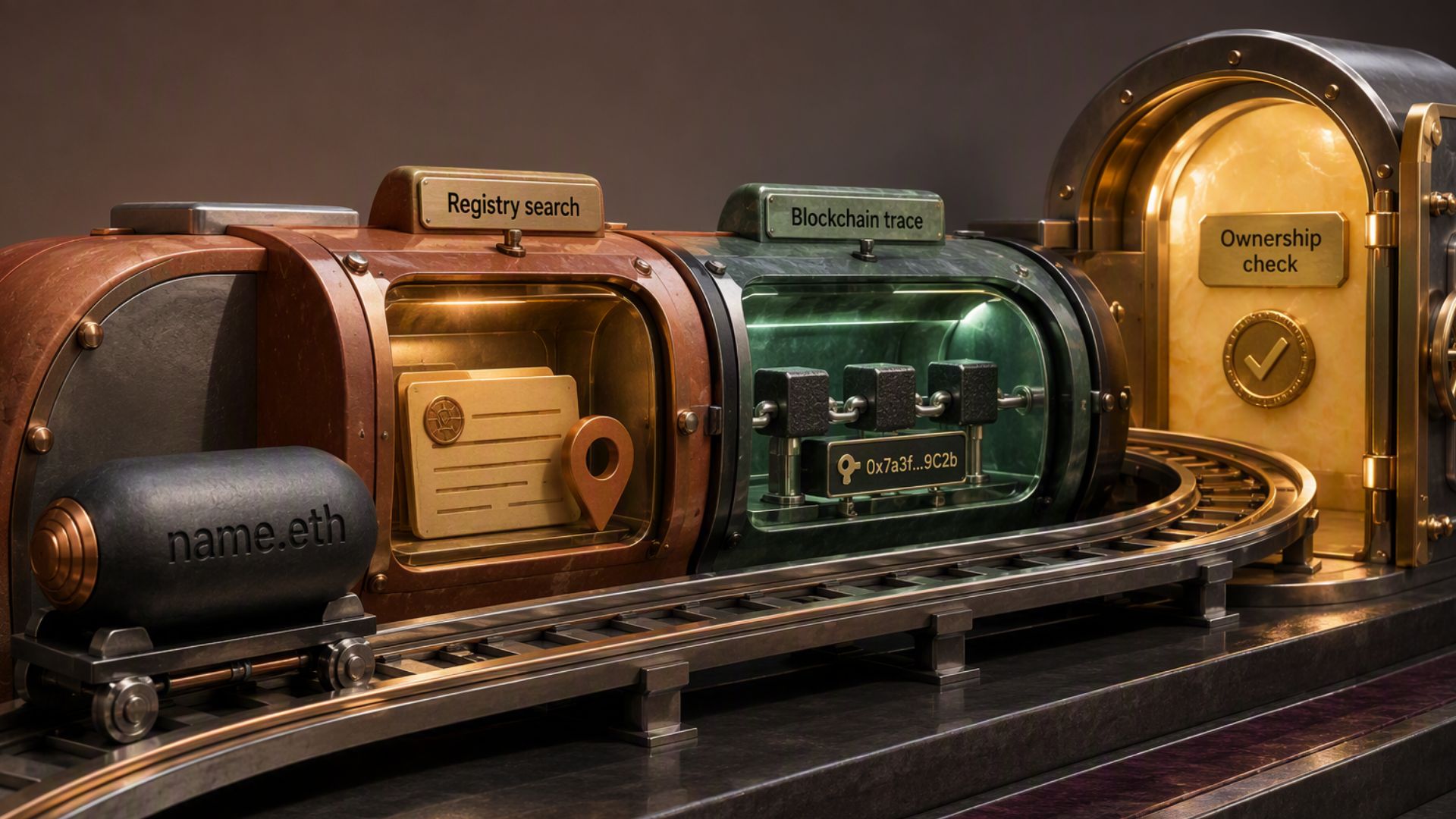
If a name is unavailable, the first step is to check its current status. An expiration date alone does not tell you when it can be registered again. The owner may still have time to renew, the name could enter an expired-name auction, or it may eventually move toward deletion and become eligible for backordering.
Check the Name’s Current Status
Find out whether it is still active, expired, listed for auction, or approaching deletion. For blockchain-native names, also check the platform’s specific rules for expiration and release.
Find Out How It Will Be Released
The status determines the best way to pursue it. A name heading toward deletion may be suitable for a backorder, while one already listed for auction may need to be acquired through bidding. If it follows a platform-specific release schedule, you may simply need to monitor when registration becomes available again.
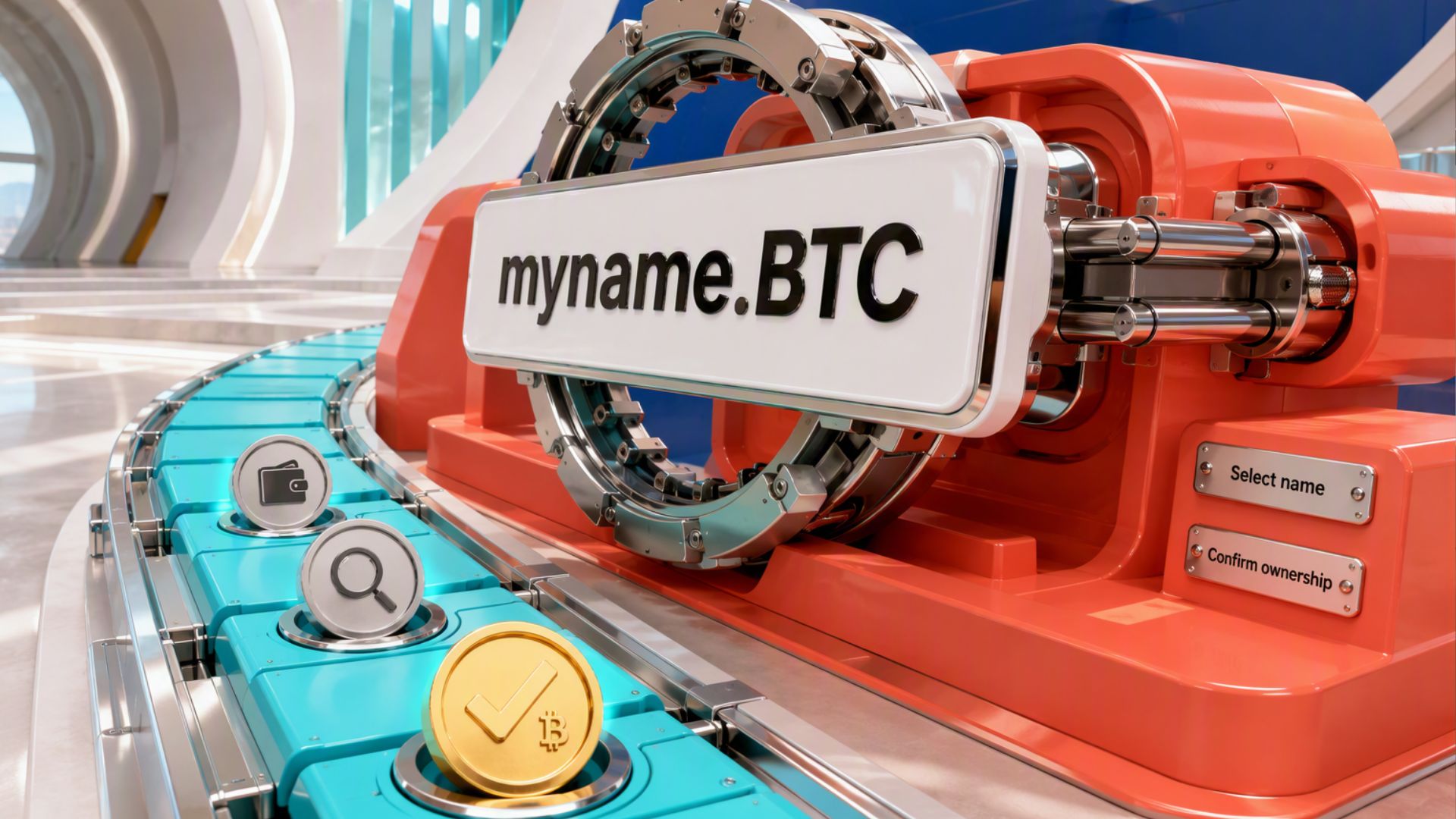
Place a Backorder When Eligible
Once a backorder service accepts the name, place your request before its deadline. Check the provider’s rules carefully, including what happens if multiple customers request the same name.
Monitor the Outcome
Placing a backorder does not end the process. The current owner may renew, the name could go to auction, or the service may attempt to catch it when it becomes available. Following its status helps you respond if the acquisition path changes.
What Happens If Someone Else Wants the Same Name?
Placing a backorder does not mean you are the only person trying to acquire the name. Other buyers may place backorders for the same registration, and the outcome depends on the provider’s process.

If the service successfully catches the name and multiple customers requested it, the name may go to an auction. This means you may still need to pay more than the original backorder fee. Some providers also compete with other drop-catching services, so a successful backorder request does not guarantee that the provider will secure it.
The important point is to treat a backorder as an opportunity to compete for the name, not as a confirmed reservation. Before placing one, check what happens with multiple requests and decide how much you are willing to pay if the process moves to an auction.
Backorder vs. Auction: Which Is the Right Option?
The right approach depends on where the name is in its release process. A backorder is typically used when it is expected to become available for registration after deletion. The service attempts to catch it as soon as it drops.
An expired-name auction works differently. Instead of waiting for deletion, you can bid against other interested buyers while the name is still being handled through the registrar or marketplace’s expiration process. If you win, you may acquire it before it reaches the stage where a backorder would apply.
Before placing a backorder, check whether the name is already listed for auction. Waiting for it to drop could mean missing an opportunity to acquire it earlier. If neither option is available, monitoring its status can help you identify the next opportunity to pursue it.
How to Improve Your Chances of Getting the Name
A backorder can put you in the running, but timing and preparation still matter. To improve your chances:
- Check the name’s actual status. Do not rely only on the expiration date. Find out whether it is active, expired, listed for auction, approaching deletion, or following a different release process.
- Place the backorder before the deadline. Each provider may have different eligibility rules and cut-off times, so waiting too long could mean missing the opportunity.
- Understand what happens when multiple buyers are interested. Some services move successfully caught names into an auction, so a backorder may not be the final cost of acquiring it.
- Set a maximum budget in advance. Decide how much the name is worth to you before bidding becomes competitive.
- Monitor changes in its status. The current owner may renew, the name could enter an auction, or its expected release path may change.
- Follow the official rules for blockchain-native names. Traditional drop-catching may not apply, so understanding the platform’s expiration and release process can be just as important as placing a backorder.
Taking these steps will not guarantee that you get the name, but they can help you avoid missed deadlines and choose the right acquisition method at the right time.
Conclusion
A crypto domain backorder can help you compete for a name before it becomes available, but it does not guarantee ownership. The best approach is to first understand the name’s current status and how it is likely to be released.
Some names may be available through a backorder service, while others may enter an auction or follow a platform-specific release process. By monitoring the name, understanding the provider’s rules, and preparing for possible competition, you can choose the right approach and improve your chances of securing it when the opportunity arises.