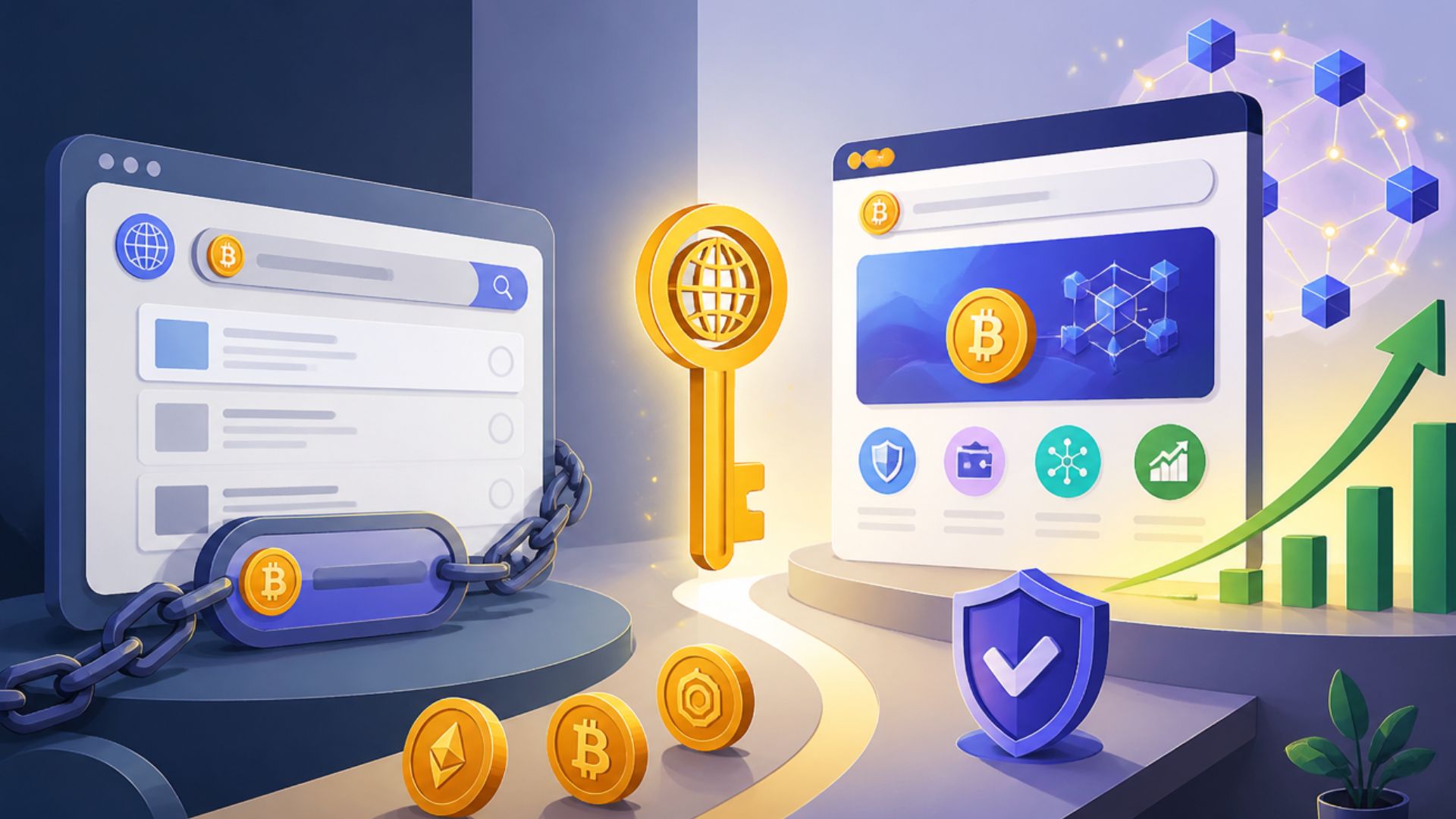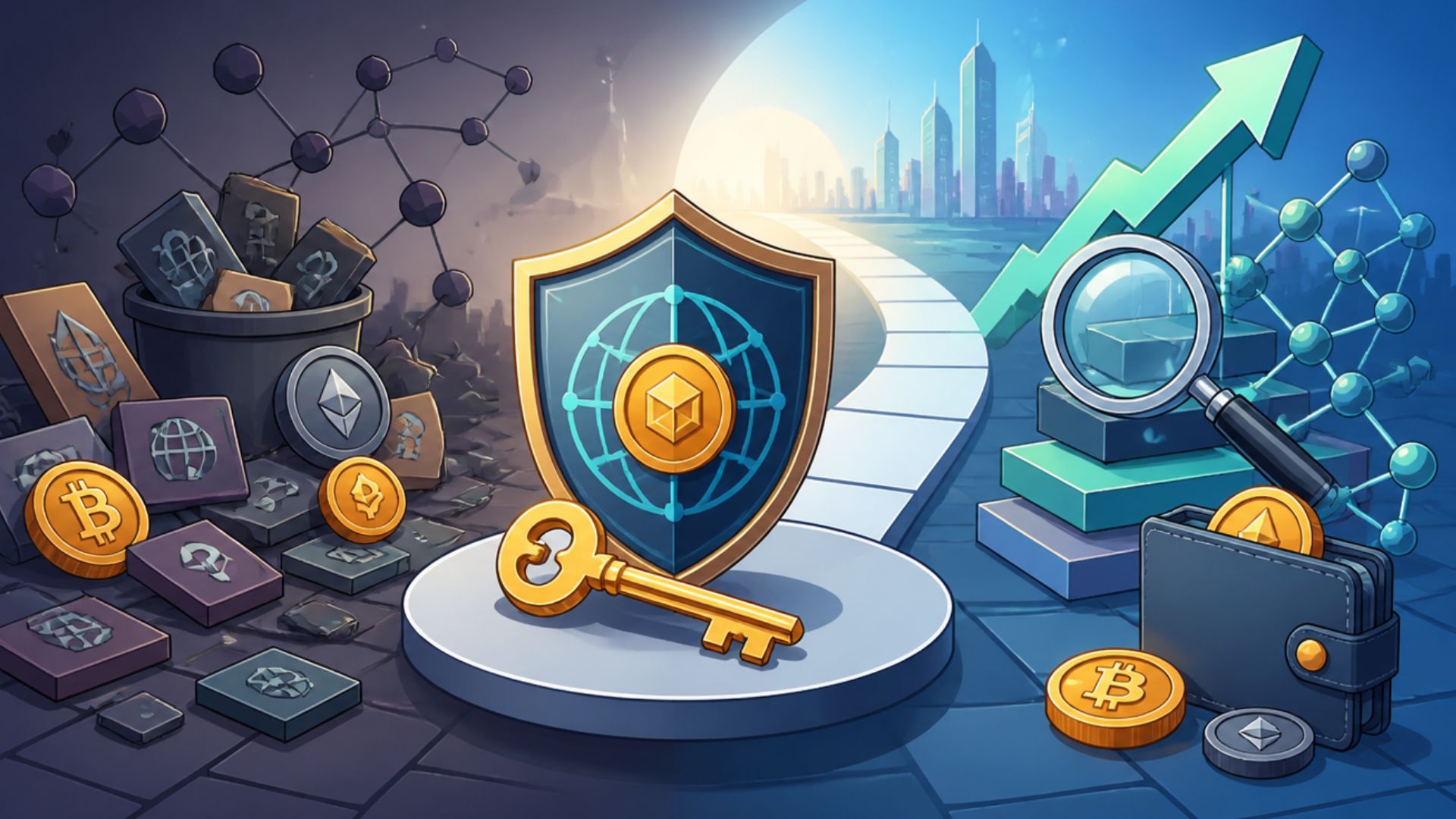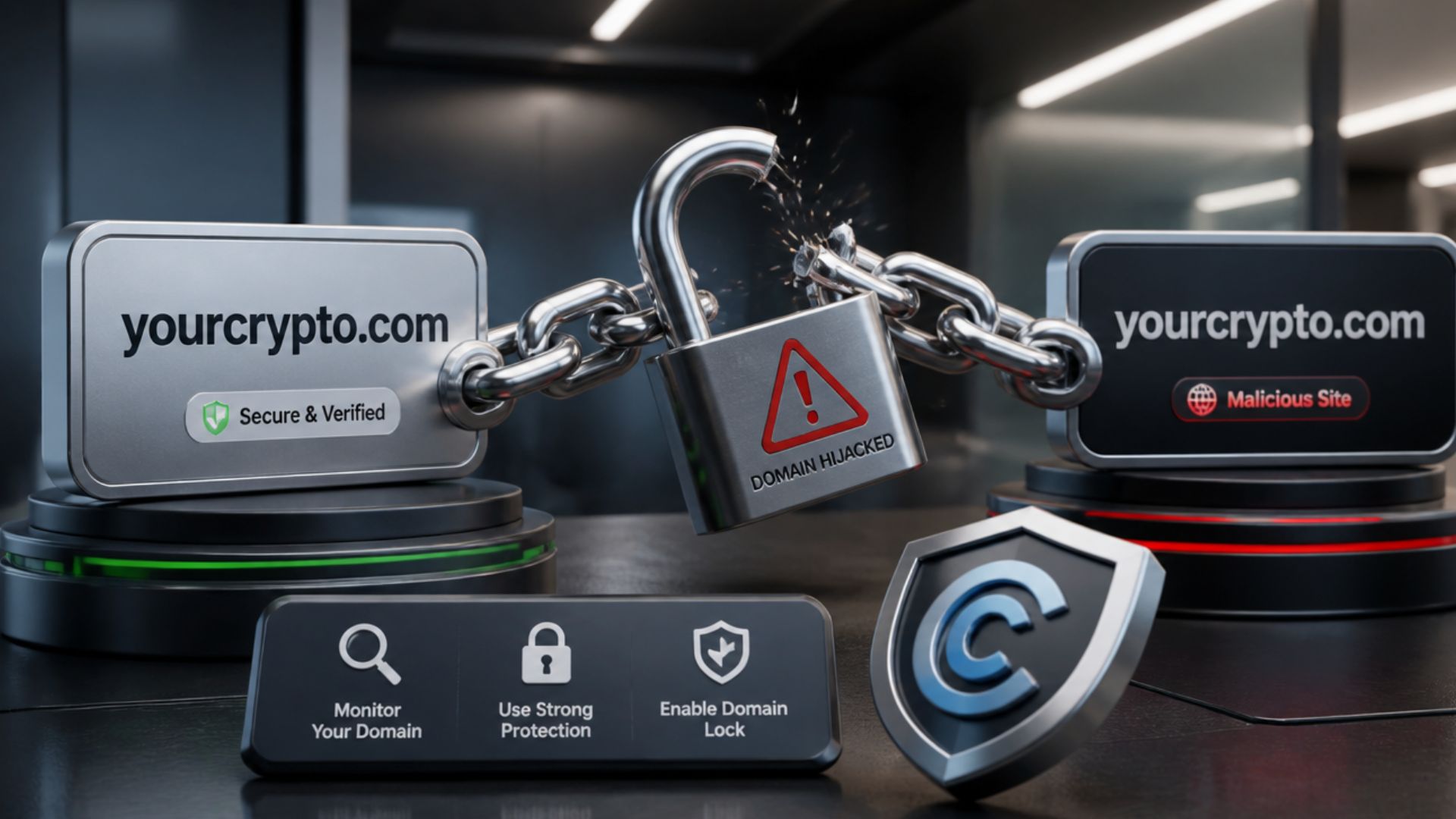
For an early-stage Web3 startup, every major expense competes with product development, security, marketing, and runway. That can make a premium crypto domain difficult to justify purchasing, especially when a strong alternative may cost far less. At the same time, the right name can strengthen branding, simplify Web3 identity, and support long-term growth. The real question is whether those benefits are valuable enough to justify the investment at this stage of the business.
What Makes a Crypto Domain “Premium”?
A premium crypto domain is usually a name with characteristics that make it more desirable than a standard option. It may be short, easy to remember, closely connected to a popular keyword, or strongly aligned with a recognizable brand. Some are priced at a premium by the naming provider, while others become expensive when an existing owner sells them on a secondary market.
However, “premium” does not always mean the same thing across Web3 naming systems. A short .eth name, for example, may have higher registration and renewal costs, while other providers may use different pricing and ownership models. For a startup, the important question is not simply why a name costs more, but what practical value that higher price can deliver.
Why the Decision Matters More for an Early-Stage Web3 Startup
For an early-stage Web3 startup, a premium crypto domain is not just a branding expense. The money spent on it comes from the same budget needed for product development, security, marketing, infrastructure, and other priorities that may have a more immediate effect on growth.
This makes the timing of the purchase important. A well-established company may be able to invest heavily in securing a highly desirable name, but a startup that is still validating its product has less room for expensive decisions with uncertain returns.
The key consideration is opportunity cost. If a premium name provides meaningful brand recognition or practical Web3 utility without putting pressure on the company’s runway, the investment may make sense. If the same budget could have a greater impact elsewhere, securing a strong and more affordable alternative may be the better decision.
What Value Can a Premium Crypto Domain Actually Create?
Paying more for a name only makes sense if it provides value beyond mere impressiveness. For a Web3 startup, that value may come from branding, usability, and how well the name works across the ecosystem.
Stronger and More Memorable Branding
A short, clear, and relevant name can be easier for users to remember and share. This can be especially useful for startups competing in a crowded market where confusing names and similar-looking projects are common. However, memorability alone does not guarantee trust or growth. The product and user experience still matter more.
Easier Wallet and Web3 Identity
A recognizable Web3 name can make long wallet addresses easier to use and communicate. Depending on the naming system and supported applications, it may also serve as a consistent identity across compatible wallets and services.
Better Consistency Across the Web3 Ecosystem
Using the same recognizable name across a company’s website, wallet, social channels, and Web3 presence can make the brand easier to identify. This is most valuable when the startup actively operates across multiple Web3 platforms rather than treating the name as a standalone digital asset.
Potential Long-Term Brand Protection
Securing an important name early may help reduce the risk of someone else acquiring a closely related Web3 identity later. Still, this does not automatically provide trademark rights or complete brand protection. Startups should consider their broader naming and legal strategy before treating any single purchase as a complete solution.
The Costs and Tradeoffs Founders Should Consider
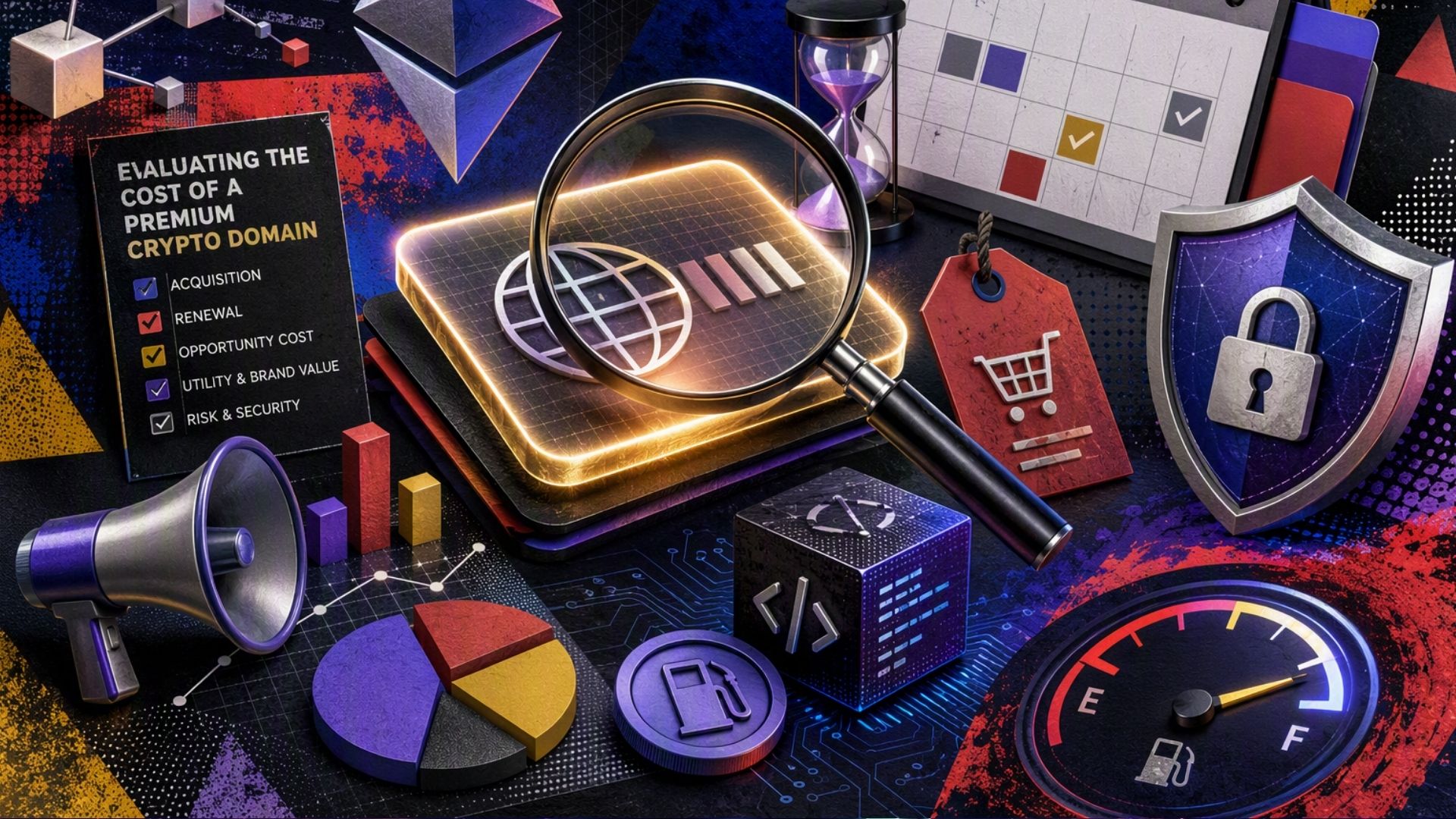
The purchase price is only part of the decision. Before paying for a premium crypto domain, founders should consider the full cost of owning and using it.
The Upfront Purchase Price
Premium names can cost significantly more than standard registrations, particularly when they are short, highly recognizable, or sold by an existing owner. The higher price should be weighed against the startup’s current budget and the specific value the name is expected to provide.
Renewal and Ongoing Costs
Ownership models vary between Web3 naming systems. Some names require periodic renewal, and the cost may depend on factors such as name length or the provider’s pricing structure. Others may use a one-time purchase model. Founders should understand these terms before treating the initial price as the total cost.
Blockchain and Transaction Fees
Depending on the network and service, registering, renewing, transferring, or updating a name may involve blockchain transaction fees. These costs may be small compared with the purchase price, but they should still be considered when evaluating long-term ownership.

Opportunity Cost and Lost Runway
For an early-stage company, the biggest tradeoff may be what the same budget could accomplish elsewhere. Money spent on a premium name cannot also be used for product development, security, user acquisition, or other immediate priorities. If the purchase does not provide sufficient practical value to justify that trade-off, a more affordable option may be the better choice.
Adoption and Compatibility Limitations
A Web3 name is only as useful as the platforms and applications that support it. Wallets, browsers, and other services may handle different naming systems in different ways. Before buying, founders should confirm that the name works with the tools and ecosystems their target users actually use.
When Is a Premium Crypto Domain Worth the Investment?
A premium crypto domain can be worth the investment when it provides clear value that a cheaper alternative cannot easily deliver. The decision should be based on the startup’s stage, budget, and how the name will actually be used.
It may make sense when:
- The startup has moved beyond early idea validation. Spending heavily on branding is easier to justify once the business has a clearer product, audience, and long-term direction.
- The name is central to the brand. A short and memorable name may be more valuable when it will appear regularly in marketing, community channels, wallet addresses, and other customer-facing areas.
- It provides practical Web3 utility. The investment can be easier to justify when the name improves usability, supports a recognizable onchain identity, or works with the platforms the startup and its users rely on.
- A cheaper alternative creates a real branding problem. If available options are confusing, difficult to remember, or too close to another brand, paying more for a stronger name may offer long-term value.
- The startup can afford it without affecting critical priorities. Product development, security, and sufficient operating runway should not be sacrificed simply to secure a more desirable name.
The strongest reason to pay a premium is not that the name is rare or expensive. It is that the startup can clearly explain how owning it will support the business over time.
How to Evaluate a Premium Crypto Domain Before Buying
Before making the purchase, founders should evaluate the domain as a business investment rather than simply choosing the most desirable option available.
- Define what business problem it solves. Identify the specific value the name is expected to create, whether that means improving brand recognition, simplifying a wallet address, or supporting a consistent Web3 identity. If there is no clear reason beyond wanting a better name, the premium may be difficult to justify.
- Compare it with realistic alternatives. Consider the strongest lower-cost options. If another name communicates the business just as clearly and is easy to remember, paying significantly more may offer little additional value.
- Calculate the full cost of ownership. Look beyond the purchase price and check for renewal requirements, transaction fees, marketplace fees, and other long-term costs.
- Measure the opportunity cost. Consider what the same budget could accomplish elsewhere, such as product development, security, marketing, or user acquisition. The purchase is easier to justify when its expected value outweighs those alternatives.
- Check utility and ecosystem compatibility. Confirm that the naming system works with the wallets, applications, and services relevant to the startup and its audience.
- Review ownership, renewal, and transfer terms. Understand how control is maintained, whether renewal is required, what happens if it is missed, and how ownership can be transferred. The startup should also avoid tying control solely to one individual’s wallet or account.
- Consider brand and trademark risks. Owning a crypto domain does not automatically provide exclusive rights to use the name. Check for potential conflicts or confusion with existing businesses before making a significant investment.
A premium name should pass this evaluation because it creates clear value for the business, not simply because it appears to be the best name available.
Conclusion
For an early-stage Web3 startup, a premium crypto domain is worth the investment only when it provides clear strategic value. A strong name can support branding, simplify Web3 identity, and offer practical utility across the platforms the business and its users rely on.
However, the name should not come at the expense of more urgent priorities. If the purchase reduces the startup’s ability to build the product, improve security, acquire users, or maintain sufficient runway, a more affordable alternative is usually the better choice.
The goal is not to own the most expensive or desirable name available. It is to secure one that fits the business, supports its long-term plans, and delivers enough value to justify its cost.