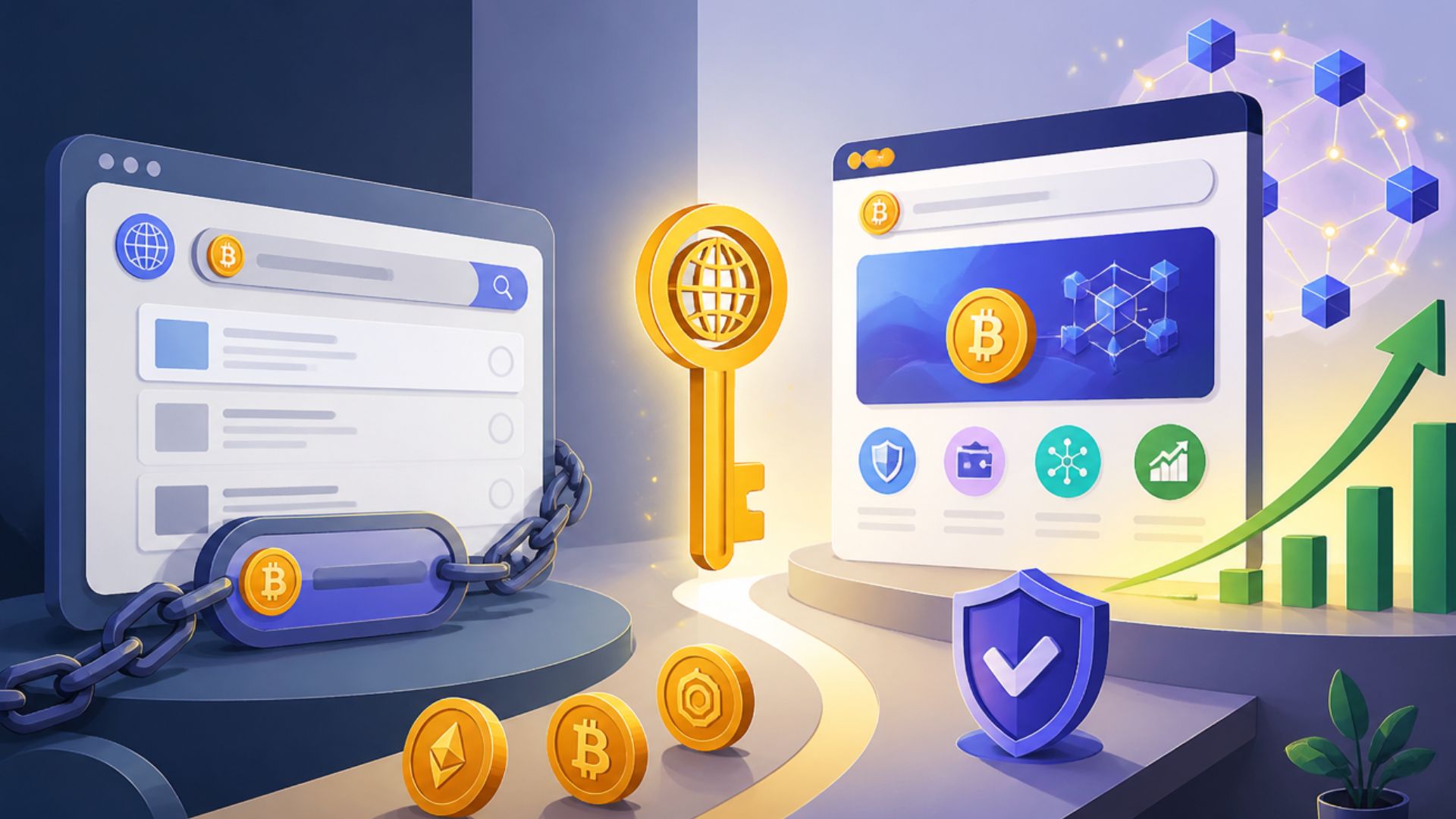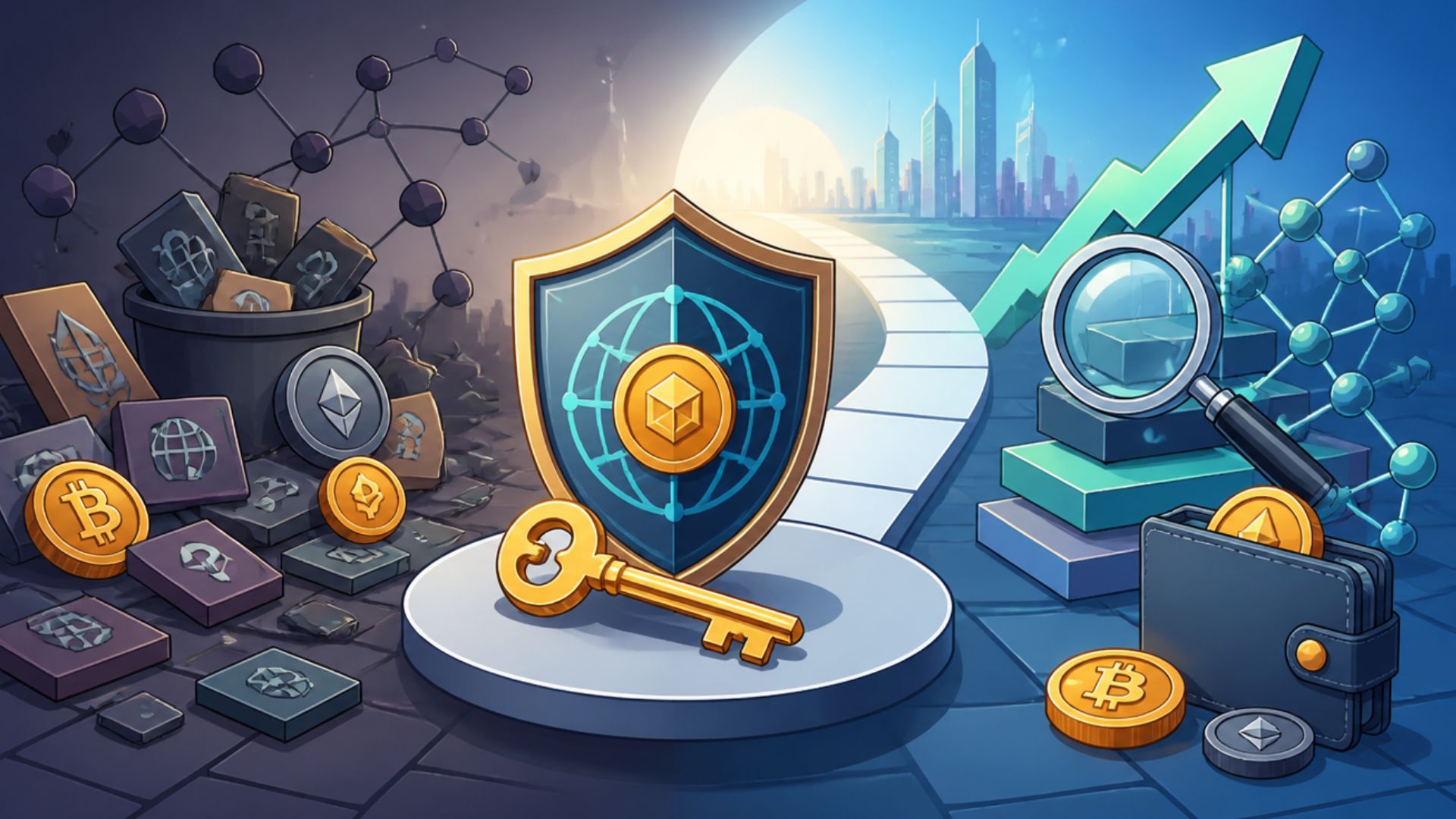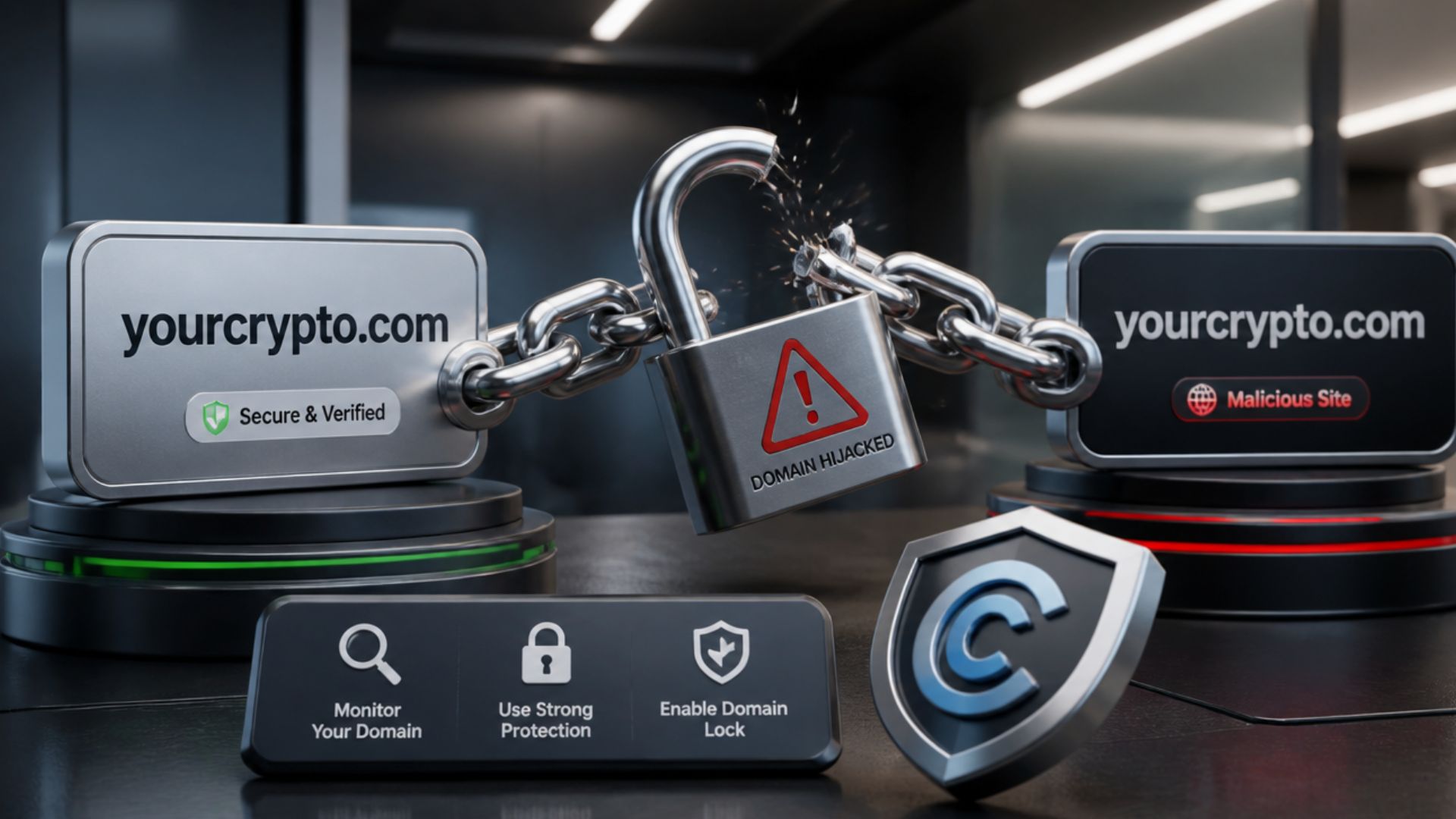
Finding out who controls a registered crypto-related name is not always as simple as running a standard lookup. A name that sounds like a Web3 asset may still be a conventional DNS registration, while blockchain-native names use a different ownership system. That distinction matters because the information you need may be stored in a registration database or directly on a blockchain. Before identifying the current holder, you first need to know which system the name belongs to. From there, the right lookup method can clarify who controls it and what that information actually proves.
First, Determine What Type of Crypto Domain You Are Checking
Before running any lookup, identify what kind of Crypto Domain you are dealing with. This step determines where ownership information is stored and which method will give you useful results.
Traditional DNS domains
You can use a .com, .net, or .org for a crypto-related project without it being a blockchain asset. These names are registered through the traditional DNS system, with ownership tied to a registration record maintained through the applicable registry and registrar.
For these names, registration data is the place to start when checking who is associated with the registration.
Blockchain-native domains
Blockchain-native names work differently. Names such as ENS .eth are managed through blockchain-based naming systems rather than the traditional DNS registration process. Their ownership can be represented by an on-chain address.
Other Web3 naming systems use different registries, networks, and ownership models, so the lookup process isn’t universal.
Why the distinction matters
Using the wrong lookup method can leave you with little or no useful information. A traditional registration lookup may not show who controls a blockchain-native name, while an on-chain search isn’t the right starting point for a standard .com or .org.
WHOIS vs. On-Chain Lookup: What’s the Difference?
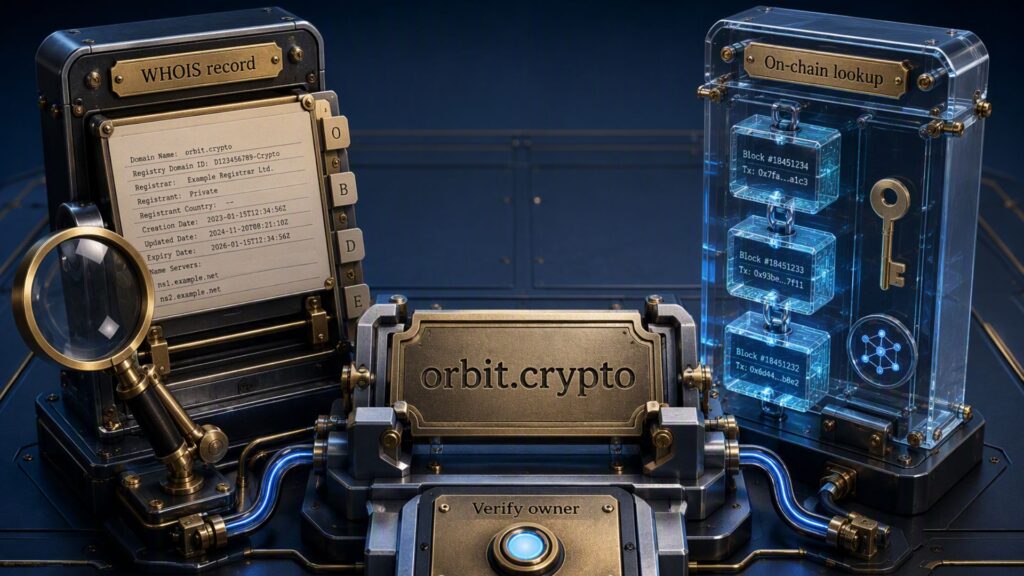
The main difference is where the ownership information is recorded. Traditional registrations are managed through the Domain Name System, while blockchain-native names rely on records maintained by a blockchain-based naming service. That difference affects what you can see, how much personal information is exposed, and what the result actually proves.
| WHOIS/RDAP | On-Chain Lookup | |
| Used for | Traditional DNS registrations | Blockchain-native names |
| Ownership record | Registration database | Blockchain registry |
| Information available | Registrant data when public, registrar, dates, status | Owner address, related records, and transaction history |
| Privacy | Personal details may be redacted | Wallet addresses can remain publicly visible but pseudonymous |
| What it proves | Registration information associated with a name | The address recorded as controlling the name |
Where the ownership record lives
With a traditional registration, the established registration system maintains ownership-related information. A lookup can show the registrar, registration dates, status, and registrant information when it is publicly available.
For blockchain-native names, the naming system’s blockchain infrastructure maintains the relevant ownership record. The result may identify a wallet or other blockchain address rather than a person’s name.
What information you can find
A traditional lookup can provide registration details, although privacy protections may limit what is visible. An on-chain lookup can expose the address recorded as the owner and, depending on the naming system, related records or historical transactions.
These are different types of evidence, so they should not be interpreted as interchangeable.
WHOIS is still the familiar term, but RDAP is the current standard
A key distinction applies to traditional registrations. RDAP (Registration Data Access Protocol) became the definitive registration-data protocol for generic top-level domains (gTLDs) in January 2025, replacing WHOIS as the required protocol.
You will still see “WHOIS lookup” used widely because it remains the familiar term for checking registration information. For accuracy, though, think of this as WHOIS/RDAP registration lookup, with RDAP representing the current standard for gTLD registration data.
What each result actually proves
Neither method automatically gives you a verified real-world identity.
A traditional record may identify a registrant if that information is public. An on-chain result may identify a wallet address controlling the name. In either case, you need to interpret the information based on what the underlying record actually represents.
How to Check Who Owns a Traditional Crypto Domain
If the name uses a conventional extension such as .com, .net, or .org, start with its registration record rather than a blockchain explorer. The lookup can show who is listed in the registration data, although privacy protections may limit the details available.
Run a WHOIS/RDAP lookup
Enter the complete name into a reputable WHOIS or RDAP lookup service. The result should identify the registrar responsible for the registration and provide the available registration record.
For gTLDs, RDAP is now the authoritative system for registration data. WHOIS remains a common search term, so both terms may appear when looking for a lookup service.
Check the available registration information
Focus on the fields that help establish who is associated with the registration:
- Registrant: The individual or organization listed as the registrant, when publicly available
- Registrar: The company managing the registration
- Creation date: When the registration was originally created
- Expiration date: When the current registration period is scheduled to end
- Domain status: Status codes that can indicate restrictions or transfer conditions
The registrar is not necessarily the owner. It is the service provider managing the registration, while the registrant is the party identified in the registration data.
Understand privacy-protected records
Do not assume a blank or redacted registrant field means there is no identifiable owner. Privacy and proxy services can prevent personal information from appearing in public registration data.
In that situation, the record can still provide useful details such as the registrar, dates, status, and sometimes an organization or contact mechanism. However, it may not reveal the individual’s name or direct contact information.
How to Check Who Owns a Blockchain Domain
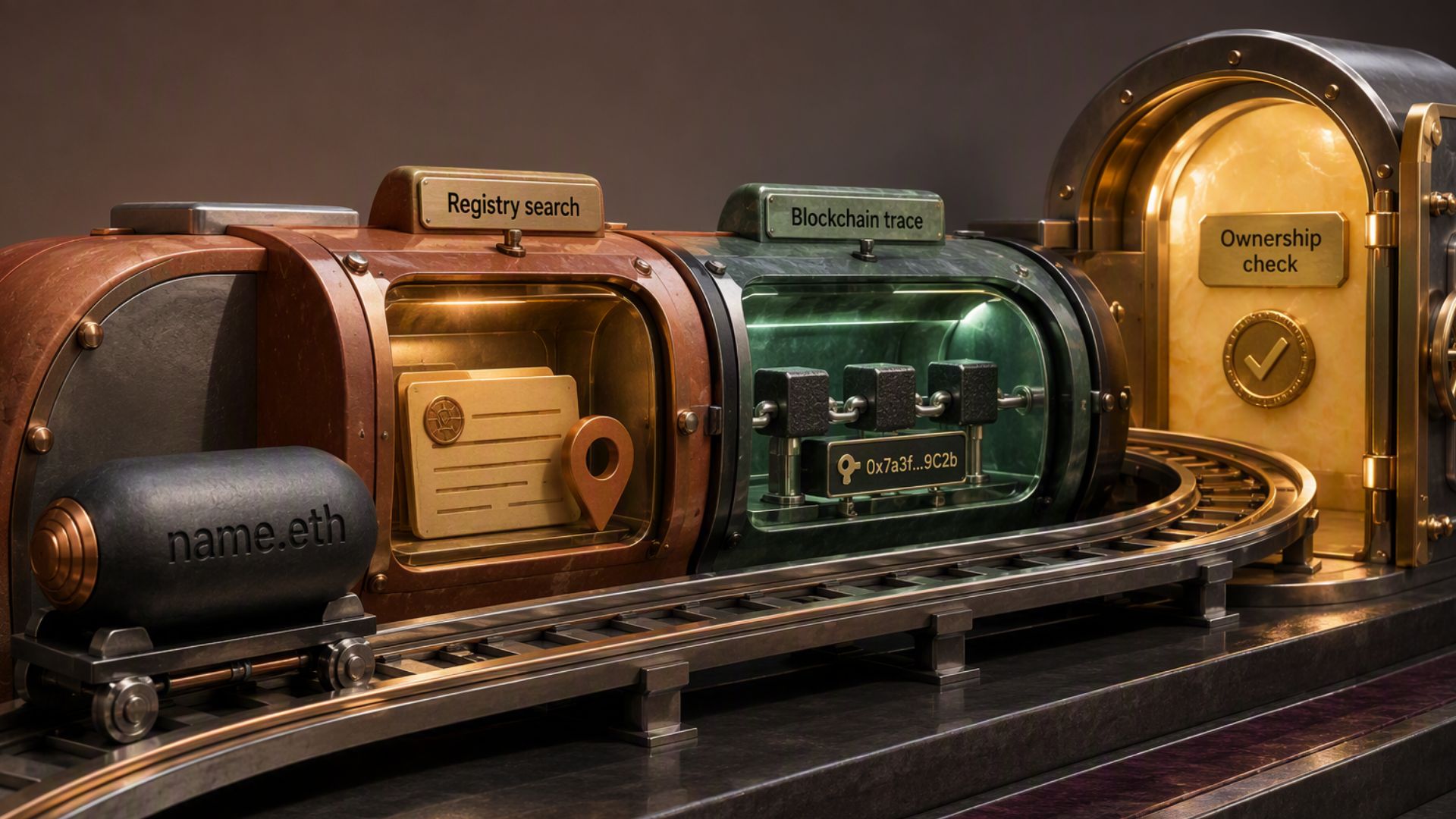
When the name is blockchain-native, a traditional registration lookup may not contain the ownership information you need. Instead, start with the naming system that issued it and follow the ownership record on the relevant blockchain.
Identify the domain’s native naming system
First, determine which naming service manages the name. ENS is one example, but other Web3 naming systems have their own registries, supported networks, and ownership rules.
This matters because no single lookup database covers every blockchain-based name. The service that issued the name is the best place to start for its current ownership record.
Find the on-chain owner
Search for the name through its native naming service and locate the ownership information. Depending on the system, the result may identify a wallet or blockchain address rather than a person’s name.
Treat that address as the starting point for verification. It tells you which address the naming system currently associates with ownership, but it does not automatically establish the real-world identity of the person or organization behind it.
Verify the record on-chain
For additional confirmation, check the relevant blockchain record or explorer. Look for the current ownership state and, where useful, previous transfers or other transactions involving the name.
This step helps distinguish current control from information copied from an older listing, marketplace page, or cached lookup. Blockchain records are particularly useful here because ownership changes can leave a visible transaction trail.
Review relevant public records
Once you have the owner address, check information deliberately associated with the name or wallet. This might include:
- Public profile records
- Website or social media links
- Other addresses associated with the same identity
- Information published by the holder through the naming service
Use these details as supporting evidence, not automatic proof of identity. A public wallet address can show control of an on-chain asset without revealing the person’s legal name.
How to Check Who Owns a Blockchain Domain
When the name is blockchain-native, a traditional registration lookup may not contain the ownership information you need. Instead, start with the naming system that issued it and follow the ownership record on the relevant blockchain.
Identify the domain’s native naming system
First, determine which naming service manages the name. ENS is one example, but other Web3 naming systems have their own registries, supported networks, and ownership rules.
This matters because no single lookup database covers every blockchain-based name. The service that issued the name is the best place to start for its current ownership record.
Find the on-chain owner
Search for the name through its native naming service and locate the ownership information. Depending on the system, the result may identify a wallet or blockchain address rather than a person’s name.
Treat that address as the starting point for verification. It shows which address the naming system currently associates with ownership, but it does not automatically establish the real-world identity of the person or organization behind it.
Verify the record on-chain
For additional confirmation, check the relevant blockchain record or explorer. Look for the current ownership state and, where useful, previous transfers or other transactions involving the name.
This step helps distinguish current control from information copied from an older listing, marketplace page, or cached lookup. Blockchain records are particularly useful here because ownership changes can leave a visible transaction trail.
Review relevant public records
Once you have the owner address, check information deliberately associated with the name or wallet. This might include:
- Public profile records
- Website or social media links
- Other addresses associated with the same identity
- Information published by the holder through the naming service
Use these details as supporting evidence, not automatic proof of identity. A public wallet address can show control of an on-chain asset without revealing the person’s legal name.
Common Mistakes When Checking Crypto Domain Ownership
Even with the right lookup method, a few assumptions can lead to the wrong conclusion. The most common mistakes come from treating traditional and blockchain-based naming systems as if they work the same way.
- Assuming every crypto-related name is blockchain-native: A .com used by a Web3 project is still a conventional DNS registration.
- Using WHOIS for a blockchain-native name: If ownership is recorded on a blockchain, a traditional registration lookup may not show the relevant owner.
- Assuming every blockchain name works like ENS: Different naming systems can use different registries, networks, and ownership models.
- Treating a wallet address as a person’s identity: An address can show control of an on-chain name without identifying the individual or organization behind it.
- Confusing a resolver or destination address with the owner: The address a name points to can serve a different purpose from the address that controls the name.
- Relying on outdated information: Ownership can change, so verify the current registration or on-chain state instead of relying on old marketplace listings, screenshots, or cached results.
- Assuming missing information means there is no owner: Privacy protection can limit traditional registration data, while blockchain ownership can remain pseudonymous.
The safest approach is to identify the naming system first, then verify the ownership record it maintains.
Conclusion
Checking who owns a crypto-related name starts with identifying how it was registered. You can check traditional .com, .net, and .org names through WHOIS/RDAP registration data, while blockchain-native names require the relevant naming service and its on-chain records. In either case, look beyond the first address or name you find and confirm what the record actually represents. A lookup can show registration details or a controlling wallet, but it does not always reveal the person’s real-world identity. The right method is simple: identify the system, check its ownership record, and verify the result.