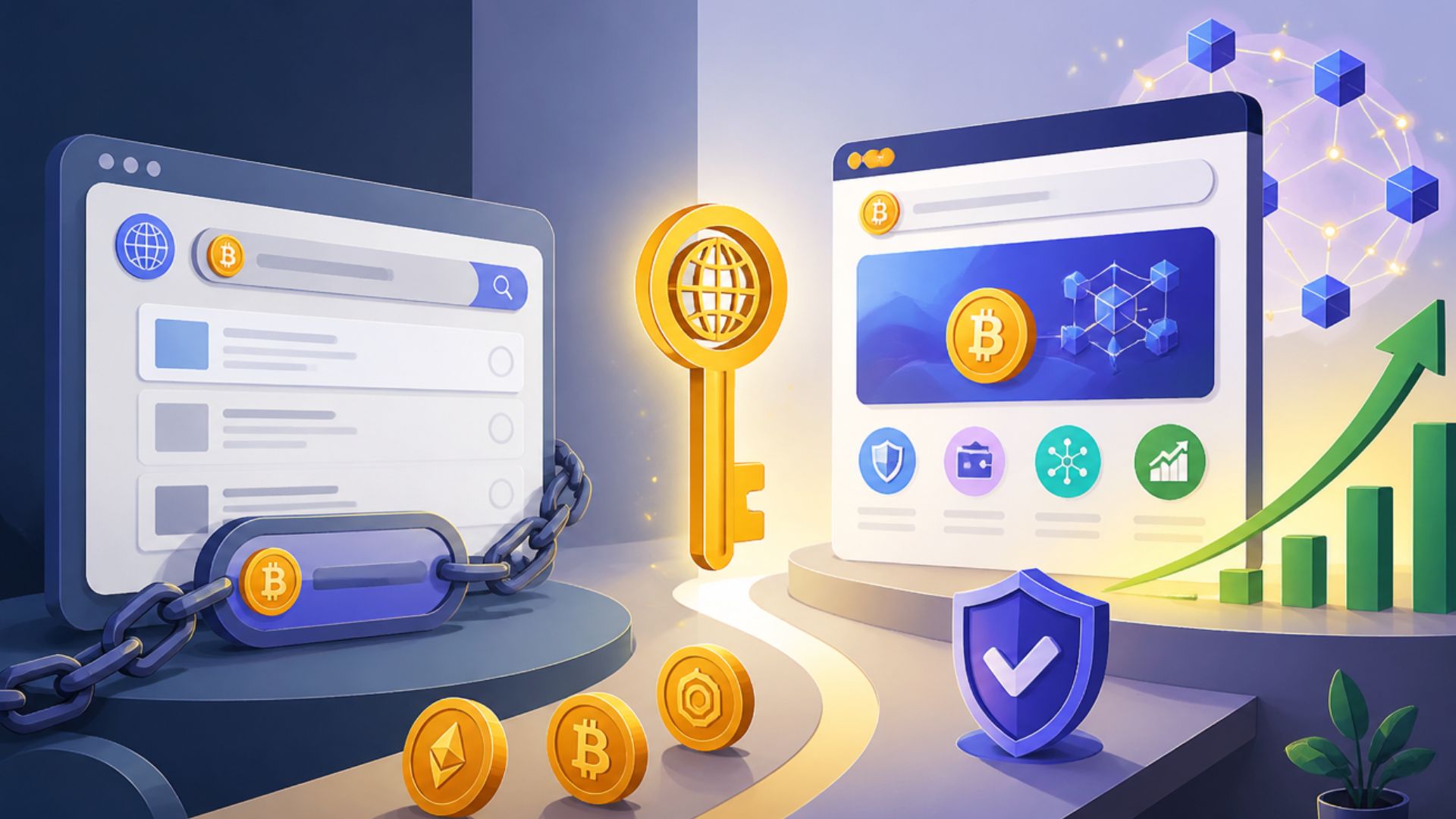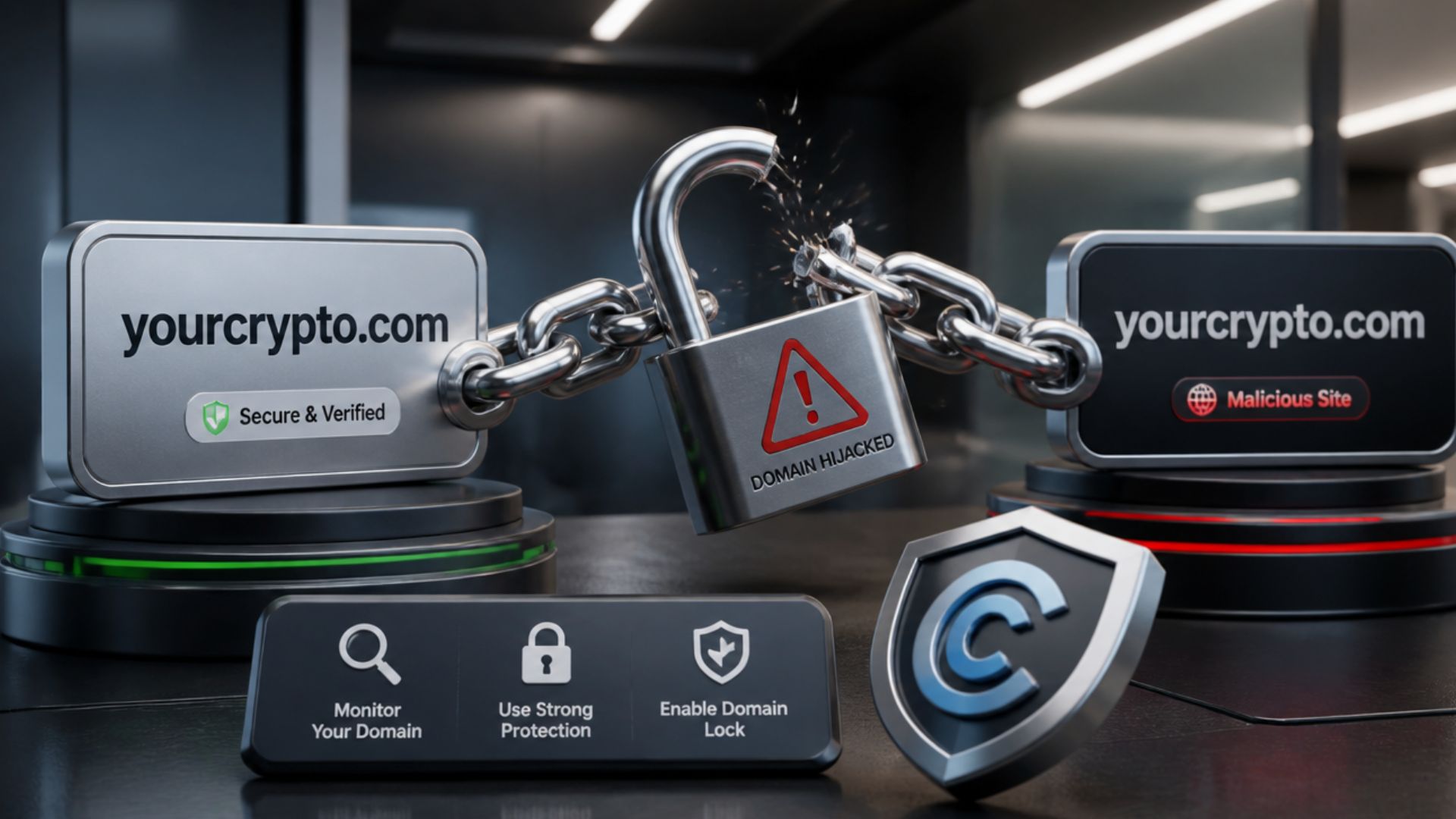
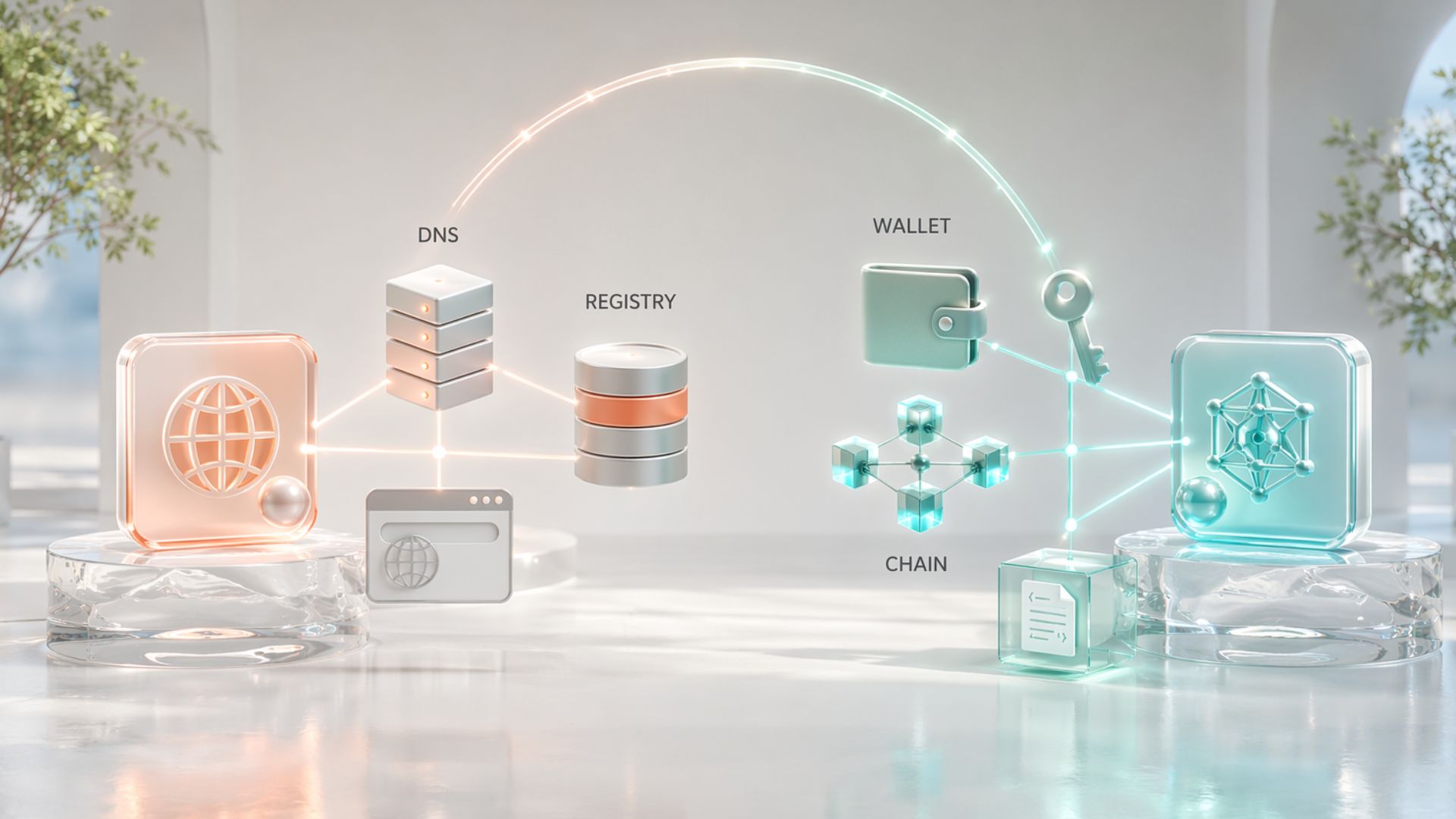
Web3 technologies are changing how people interact with the internet, introducing new ways to manage digital assets, identities, and online services. As a result, Web3 domains have gained attention as an alternative to traditional domain names, especially among cryptocurrency users and developers.
While they may look similar to familiar domains like .com, they serve different purposes and rely on different technologies. In this guide, you’ll learn what a Web3 domain is, how it works, how it differs from a regular domain, and when it makes sense to use one.
What Is a Web3 Domain?
A Web3 domain is a blockchain-based domain name that serves as a human-readable identifier for blockchain resources, such as cryptocurrency wallet addresses and digital identities. Unlike traditional domains managed through the Domain Name System (DNS), Web3 domains are registered and managed on a blockchain.
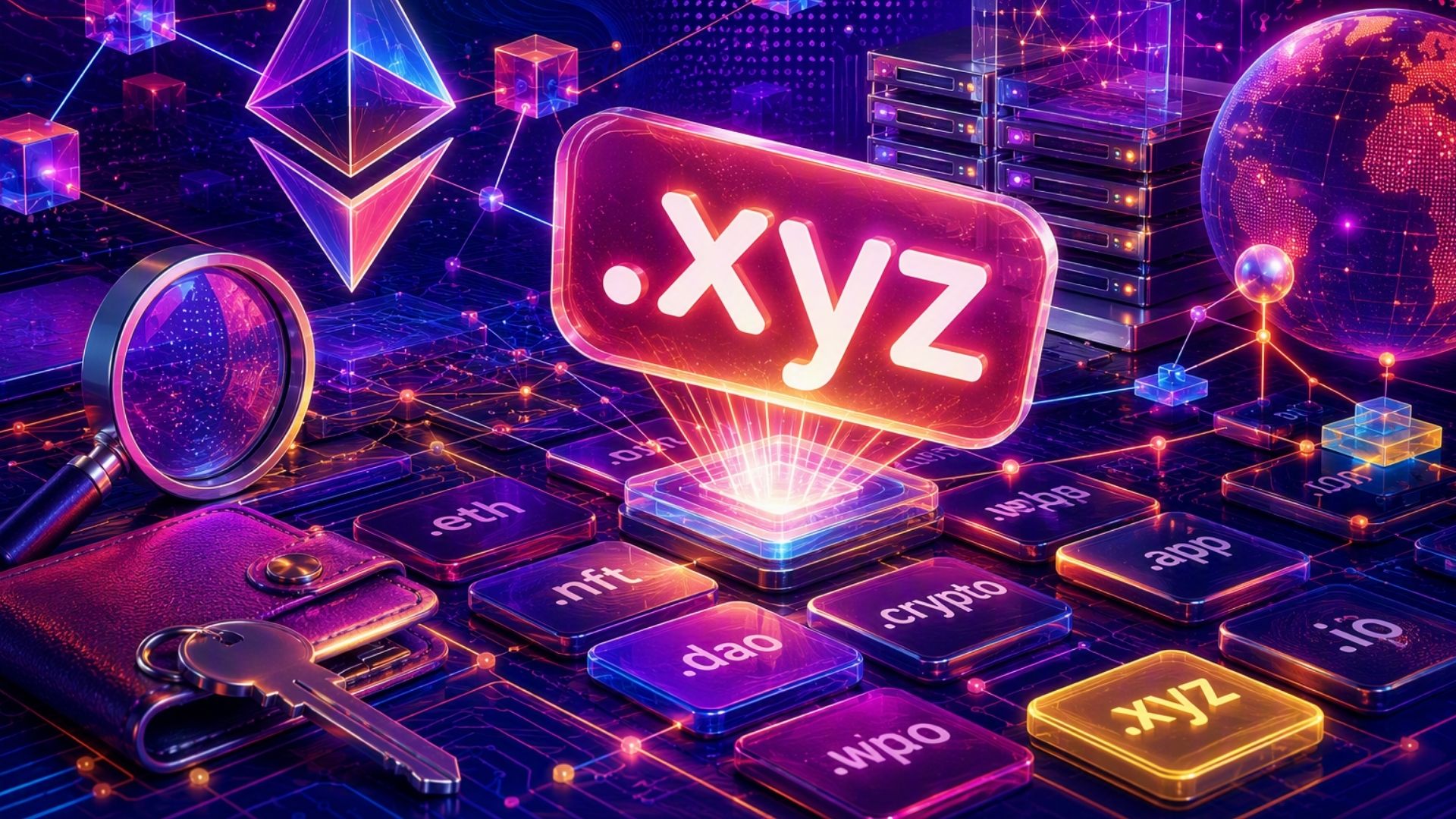
Instead of using long wallet addresses made up of letters and numbers, users can use a simple name like yourname.eth to interact with supported wallets and blockchain applications. Common examples of Web3 domains include .eth, managed by the Ethereum Name Service (ENS), and .crypto, offered by Unstoppable Domains.
While Web3 domains resemble traditional domain names, they are designed for blockchain ecosystems rather than the conventional web.
Why Were Web3 Domains Created?
Traditional domain names were built to make websites easier to access, but they were not designed for blockchain-based interactions. As cryptocurrency, decentralized applications (dApps), and digital ownership became more common, a new type of domain was needed to support these use cases.
Web3 domains were created to:
- Simplify cryptocurrency transactions by replacing long wallet addresses with easy-to-read names.
- Create a portable digital identity usable across supported Web3 applications and services.
- Support decentralized applications (dApps) by providing a recognizable name for blockchain-based interactions.
- Connect to decentralized websites hosted on supported storage networks such as IPFS.
Web3 domains are designed to complement traditional domain names by supporting blockchain-specific functions that the Domain Name System (DNS) was not built to handle.
How Does a Web3 Domain Work?
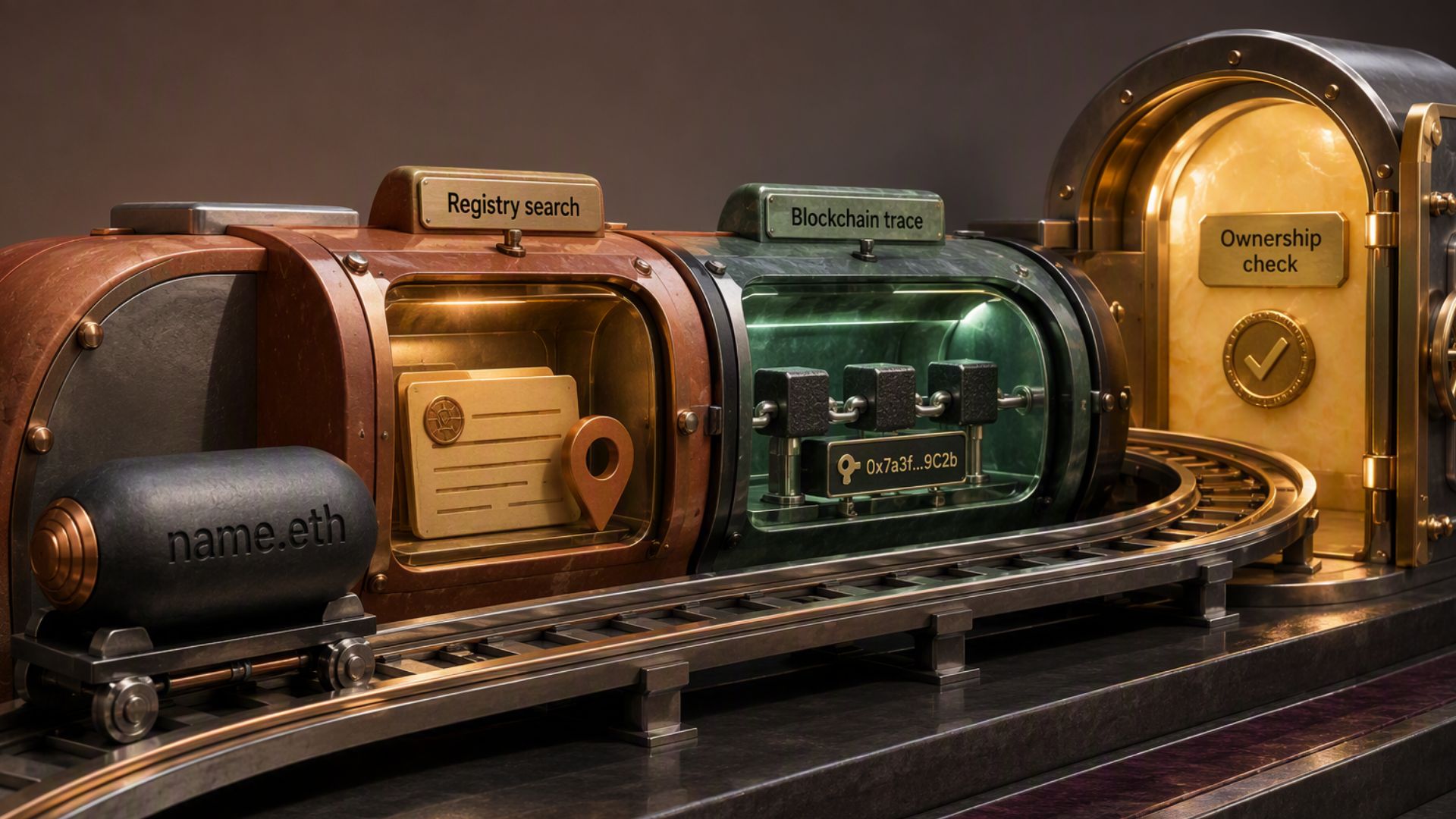
A Web3 domain connects a human-readable name to blockchain resources, making them easier to access and use. Instead of relying on the Domain Name System (DNS), it uses blockchain technology to store and retrieve domain records.
Here’s how the process works:
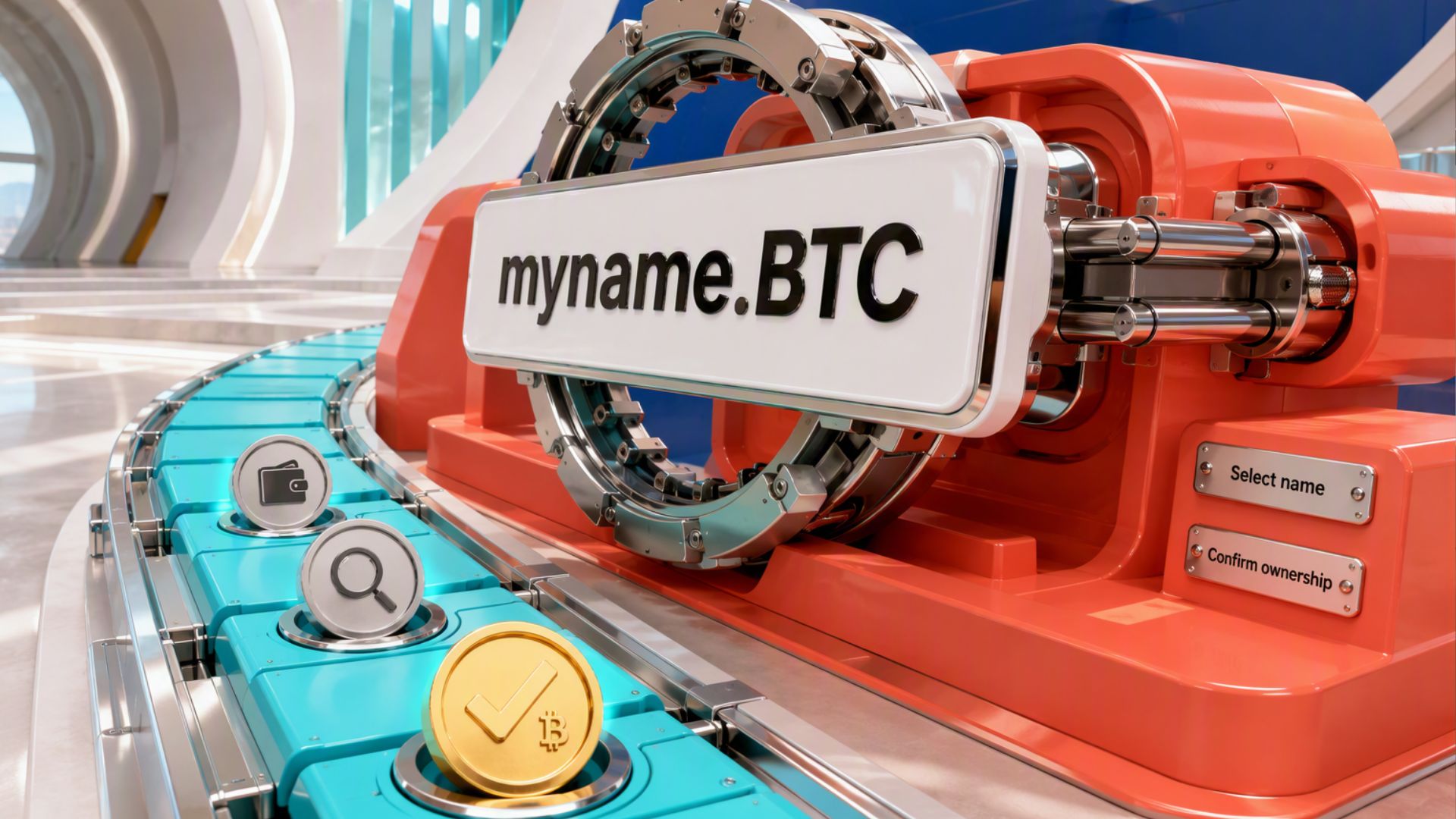
- Register a Web3 domain: A user registers a domain through a supported Web3 naming service, such as Ethereum Name Service (ENS) or Unstoppable Domains. The domain ownership is then recorded on a blockchain.
- Link the domain to blockchain resources: The domain owner can associate it with a cryptocurrency wallet address, digital identity, decentralized application (dApp), or other supported blockchain records.
- Resolve the domain: When someone enters the Web3 domain in a compatible wallet, browser, or application, it retrieves the associated blockchain record. For example, entering yourname.eth can automatically resolve to the linked wallet address instead of requiring a long string of characters.
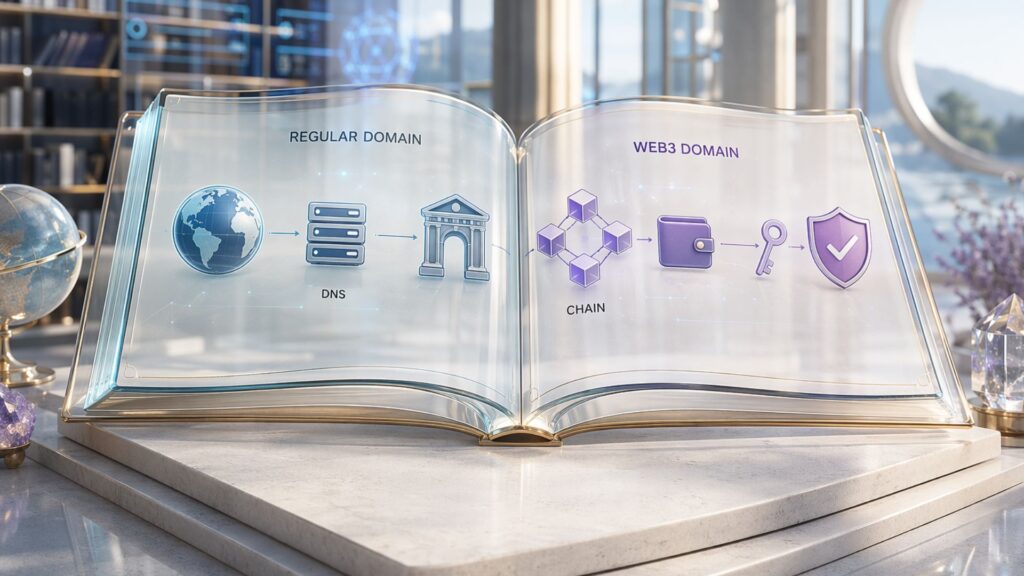
Web3 Domain vs. Regular Domain: Key Differences
Web3 domains and traditional domains may look similar, but they serve different purposes. Traditional domains are built for the conventional internet, while Web3 domains are designed for blockchain-based services and digital identities.
| Feature | Web3 Domain | Regular Domain |
| Primary Use | Connects users to blockchain resources, such as wallet addresses and decentralized applications (dApps). | Connects users to websites, email services, and other internet resources. |
| Management | Managed through a blockchain wallet and a Web3 naming service. | Managed through a domain registrar accredited to register DNS domains. |
| Points To | Cryptocurrency wallets, digital identities, decentralized websites, or other blockchain records. | Website hosting servers and other DNS records. |
| Renewal | Renewal policies depend on the Web3 naming service and domain extension. | Requires periodic renewal through a domain registrar. |
| Email Support | Limited support for standard email services. | Fully supports traditional email services. |
| Compatibility | Works with supported wallets, browsers, and Web3 applications. | Universally supported across browsers and internet services. |
| Best Suited For | Crypto users, developers, and Web3 participants. | Businesses, organizations, and general website owners. |
For most people, a Web3 domain complements rather than replaces a traditional domain. If you own a website, you’ll typically still need a DNS domain name, whereas a Web3 domain adds functionality for blockchain-based interactions.
What Can You Do With a Web3 Domain?
A Web3 domain can be used for more than identifying blockchain resources. Depending on the supported wallet, browser, or application, it can simplify how users interact with blockchain services.
You can use a Web3 domain to:
- Receive cryptocurrency payments by replacing long wallet addresses with a simple, human-readable name.
- Create a digital identity that can be recognized across supported wallets and decentralized applications (dApps).
- Access Web3 applications that use Web3 domains for user profiles, authentication, or account identification.
- Connect to a decentralized website hosted on supported storage networks, such as IPFS.
- Manage multiple blockchain addresses under a single domain, making it easier to receive different cryptocurrencies without sharing separate wallet addresses.
Can a Web3 Domain Replace a Regular Domain?
For most people, the answer is no. Traditional domains remain the standard for websites, email, and universal browser compatibility because they rely on the Domain Name System (DNS), which powers the conventional internet. While Web3 domains continue to gain support, they are primarily designed for blockchain-based activities, including cryptocurrency transactions, decentralized applications (dApps), and digital identities.
Rather than replacing traditional domains, Web3 domains complement them. A traditional domain is still the best choice for hosting a business or personal website, while a Web3 domain offers additional functionality for users in the blockchain ecosystem. Using both allows you to maintain a conventional online presence while taking advantage of Web3 features where they’re supported.
Should You Buy a Web3 Domain?
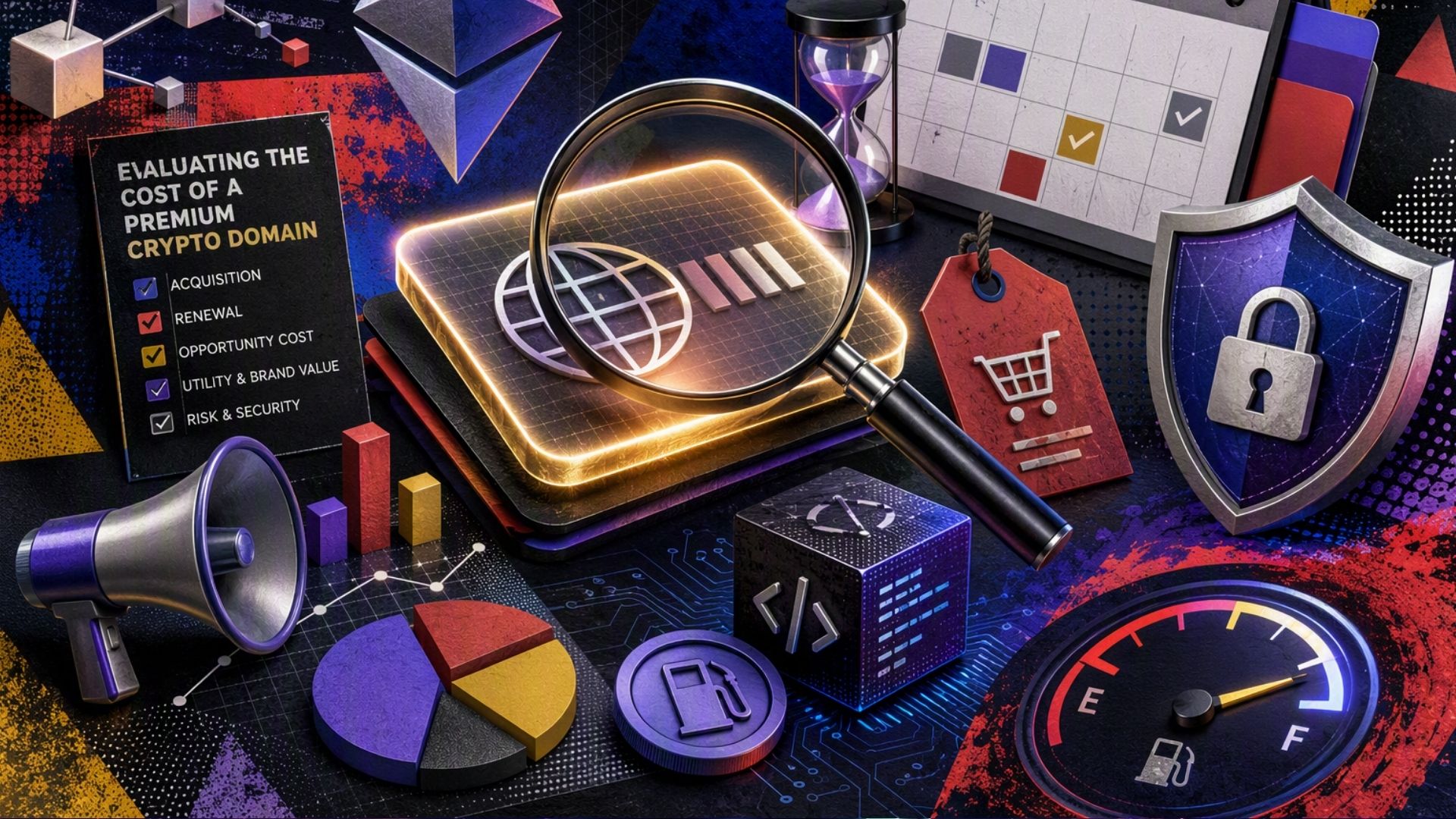
Whether you should buy a Web3 domain depends on how you use the internet. If you regularly use cryptocurrency, interact with decentralized applications (dApps), develop blockchain projects, or want a consistent Web3 identity, a Web3 domain can make those activities more convenient by simplifying wallet addresses and supporting compatible blockchain services.
If your primary goal is to build a traditional website or use standard email services, a regular domain is still the better choice. However, as blockchain technologies continue to evolve, owning both a traditional domain and a Web3 domain can help you maintain a conventional online presence while preparing for broader adoption of Web3 applications.
Conclusion
As blockchain technologies continue to evolve, Web3 domains are becoming an important part of how users manage digital identities and interact with decentralized services. However, they are not a replacement for traditional domains. Instead, they expand what’s possible by supporting blockchain-specific functions that the conventional Domain Name System (DNS) was never designed to handle.
Whether you need a Web3 domain depends on your goals. If you’re active in the Web3 ecosystem, it can simplify how you manage blockchain interactions. If your focus is building a traditional website, a regular domain remains the foundation of your online presence. Understanding the strengths of each allows you to make informed decisions as the internet continues to evolve.