
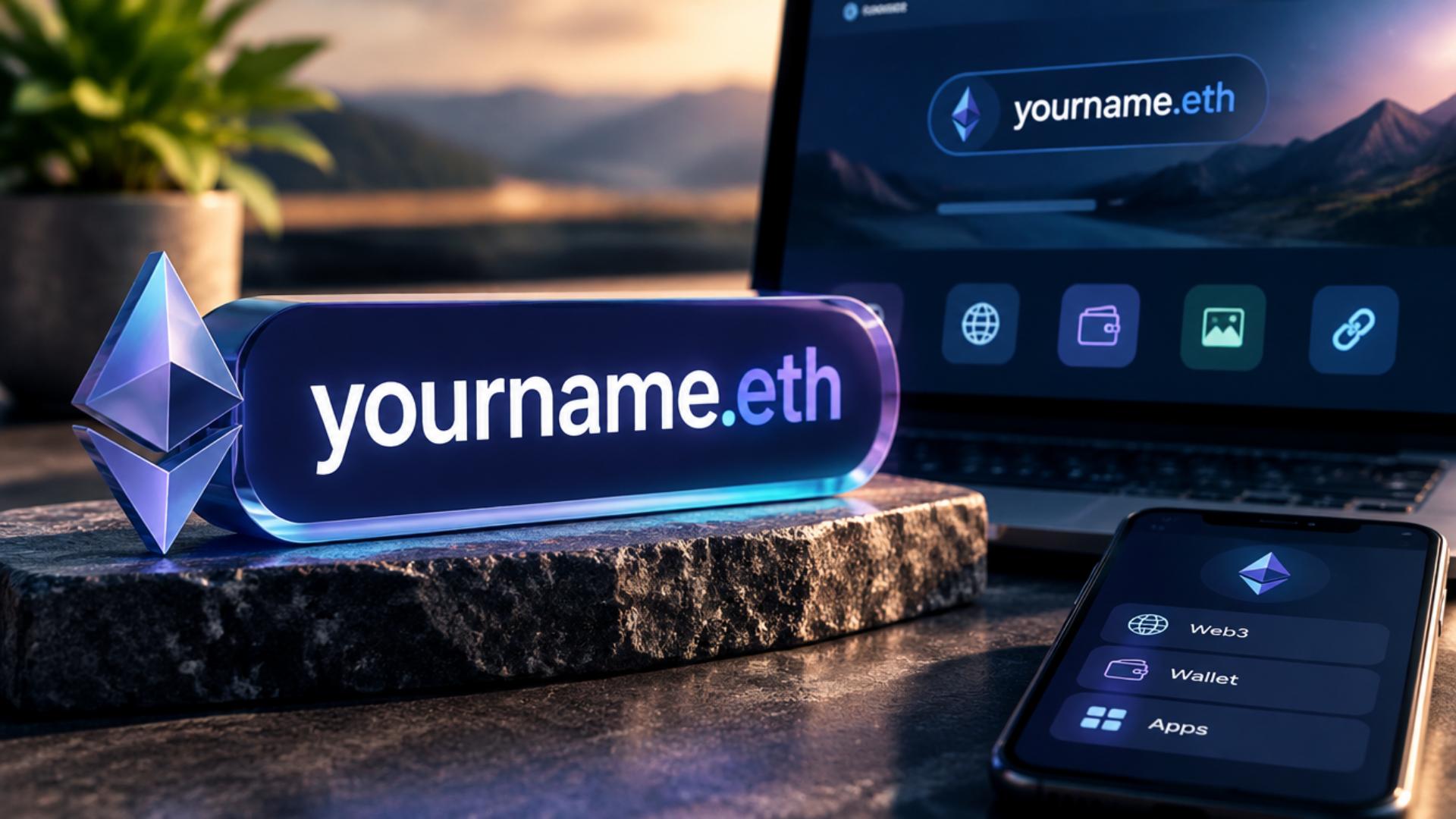
A crypto project can have a strong product, active community, and clear documentation, yet users may still hesitate if they are unsure whether they have reached the right website. The domain name is often one of the first details they can check when moving from a social post, search result, or shared link to the project itself. A clear, recognizable name connects the destination to the brand and gives users an initial reference point. In Web3, where users may later connect wallets or approve transactions, that first layer of recognition matters. A strong crypto domain does not prove legitimacy, but it can help establish the right starting point for trust.
Why the Domain Becomes Part of a Crypto Brand’s Identity
A domain gives users a recognizable connection between the crypto project they encountered and the online destination they are about to visit. This matters because crypto projects are often discovered through social media, communities, search results, and shared links rather than by typing the address directly. When the domain closely matches the project name, it becomes easier to associate the destination with the brand users intended to reach.
That connection becomes stronger when the same identity appears across the project’s website, social profiles, documentation, and other official channels. A consistent name gives people a reference point to compare when they encounter the project in different places, while a mismatch can create uncertainty. For crypto brands, where links and project identities are frequently shared across Web3 communities, a memorable domain can therefore become part of how the brand is recognized, not simply an address used to access a website.
Why That Identity Matters More in Web3
A crypto domain can represent more than a website destination. Depending on the naming system, a human-readable Web3 name can link to a wallet address, profile, website, or other blockchain records. This gives a crypto brand an identity that can extend beyond its website and into the Web3 applications that support that name.
That distinction matters because users may encounter the same project across websites, wallets, decentralized applications, and other Web3 services. A consistent, human-readable name makes it easier to link those interactions to the intended project instead of relying only on long blockchain addresses. However, the name itself does not verify the real-world identity of its controller or establish the project’s legitimacy. Its value as a trust signal comes from providing recognizable identity and context, not from independently proving who is behind it.
In Crypto, Recognizing the Official Domain Has a Security Dimension
In crypto, recognizing the intended website can matter beyond branding because a website visit may lead to a wallet connection, signed message, or transaction. Projects can be reached through social posts, community messages, search results, and shared links, so users may need to verify the destination before proceeding.
Phishing and impersonation sites can imitate legitimate projects through copied websites or lookalike domains. A familiar domain gives users a specific reference to compare against the project’s established channels before interacting with the service. It doesn’t guarantee the website is safe, but checking the destination can help users spot an obvious mismatch before a potentially consequential wallet interaction.
Where the Domain Fits Into the Larger Trust Picture
A crypto domain is one part of how users assess a project. It provides an initial identity to check, while the project’s official channels, documentation, Web3 presence, and other verifiable information provide additional context. The domain therefore gives users a starting point for determining whether the destination matches the project they intended to reach.
Trust becomes stronger when these signals consistently point to the same project. When the domain, project information, official channels, and relevant onchain details align, users have more context to evaluate before interacting with the service. The domain is therefore an entry point into a broader trust assessment rather than a standalone measure of credibility.
A Crypto Domain Is Not Proof of Legitimacy
A recognizable crypto domain can help users identify the project they expect to interact with, but the name itself does not establish who controls it or whether the project is legitimate. A Web3 naming system may connect a name to blockchain addresses and other records without verifying the real-world identity of the person or organization behind it.
That limitation matters because a familiar name can still be used in an impersonation attempt, while a legitimate-looking project can carry other risks the domain cannot reveal. Users still need to evaluate the project’s information, official channels, and relevant Web3 details before connecting a wallet or approving an action.
Conclusion
A crypto domain can shape how users recognize a project from their first interaction. By connecting the brand with a recognizable Web3 identity, it gives users an initial reference point when deciding whether they have reached the intended destination.
That makes the domain an important first trust signal, but not proof of legitimacy. Its value depends on how well it aligns with the project’s broader identity and the information users can verify. In crypto, the domain can start the trust process, but the evidence behind the project is what ultimately supports it.